

Why serve in designer glassware: the host's guide
The shape of a glass is not decoration. It is engineering. If you have ever wondered why serve in designer glassware when any vessel technically holds liquid, the answer lies in what happens between the pour and the sip: aromas concentrate or dissipate, temperatures hold or collapse, and the entire sensory story of a drink changes based on the glass carrying it. For affluent hosts who care about what they serve, designer glassware is not a luxury add-on. It is the final, decisive element that determines whether a great drink is merely consumed or genuinely experienced.
Table of Contents
- How glass shape transforms the sensory experience of your drinks
- The practical edge: stem design and temperature control in luxury glassware
- Designer glassware as a status symbol: identity, culture, and collectibility
- Choosing the right designer glassware: matching form to function and occasion
- Reconsidering designer glassware: beyond tradition to intentional living and sensory mindfulness
- Elevate your home entertaining with The Gilded Cup’s designer glassware
- Frequently asked questions
Key Takeaways
| Point | Details |
|---|---|
| Sensory engineering | Glass shape is deliberately designed to influence aroma, flavor, and carbonation, enhancing drink perception. |
| Temperature control | Stemmed glasses preserve ideal serving temperatures better than stemless designs, crucial for certain wines. |
| Status and identity | Luxury glassware serves as collectible art and a status symbol, enriching the host’s cultural expression. |
| Match glass to drink | Selecting glassware based on drink type and serving method maximizes functional and sensory benefits. |
| Mindful entertaining | Designer glassware fosters mindful, elevated hosting rituals that connect sensory pleasure with lifestyle. |
How glass shape transforms the sensory experience of your drinks
To appreciate why designer glassware is more than just looks, we must understand these sensory engineering principles. Every curve, every taper, every millimeter of rim width has a measurable effect on what reaches your nose and palate. This is not marketing language. It is physics applied to pleasure.
The bowl width determines how much of the drink’s surface area is exposed to air. A wide Burgundy glass lets a Pinot Noir open up, releasing layers of fruit and earth that would stay trapped in a narrow tumbler. A flute keeps sparkling wine’s bubbles alive and concentrated, delivering carbonation and aroma in one upward column. These are not stylistic choices. They are functional decisions made by designers who understand how glass shape affects sensory outcomes, making designer glassware functional sensory engineering.
Here is what different design elements actually do:
- Narrow rim: Funnels aromas toward the nose, intensifying the olfactory experience before a sip is taken
- Wide bowl: Encourages aeration, softening tannins in red wines and opening up complex spirits
- Tall, tapered sides: Preserve carbonation in sparkling wines and craft beers
- Short, wide shape: Releases volatile aromatics quickly, ideal for aromatic cocktails meant to be consumed fast
- Thick base: Adds stability during service, reducing breakage risk in active entertaining situations
“The right glass for the right drink is not a social convention. It is a sensory decision that separates a forgettable pour from a memorable one.”
Cultural tradition reinforces this. Japanese crystal makers design whiskey glasses to honor the spirit’s complexity. French crystal houses craft Champagne coupes that prioritize elegance over carbonation retention, knowing the social ritual matters as much as the science. When you explore a collectible bar glasses guide, you start to see how each piece carries both a functional rationale and a cultural story.
The practical edge: stem design and temperature control in luxury glassware
Beyond altering aromas and flavors, designer glassware also offers practical advantages that affect how your drinks evolve in the glass. The stem is the most underappreciated element in fine drinkware, and understanding it changes how you select glasses for your home bar.
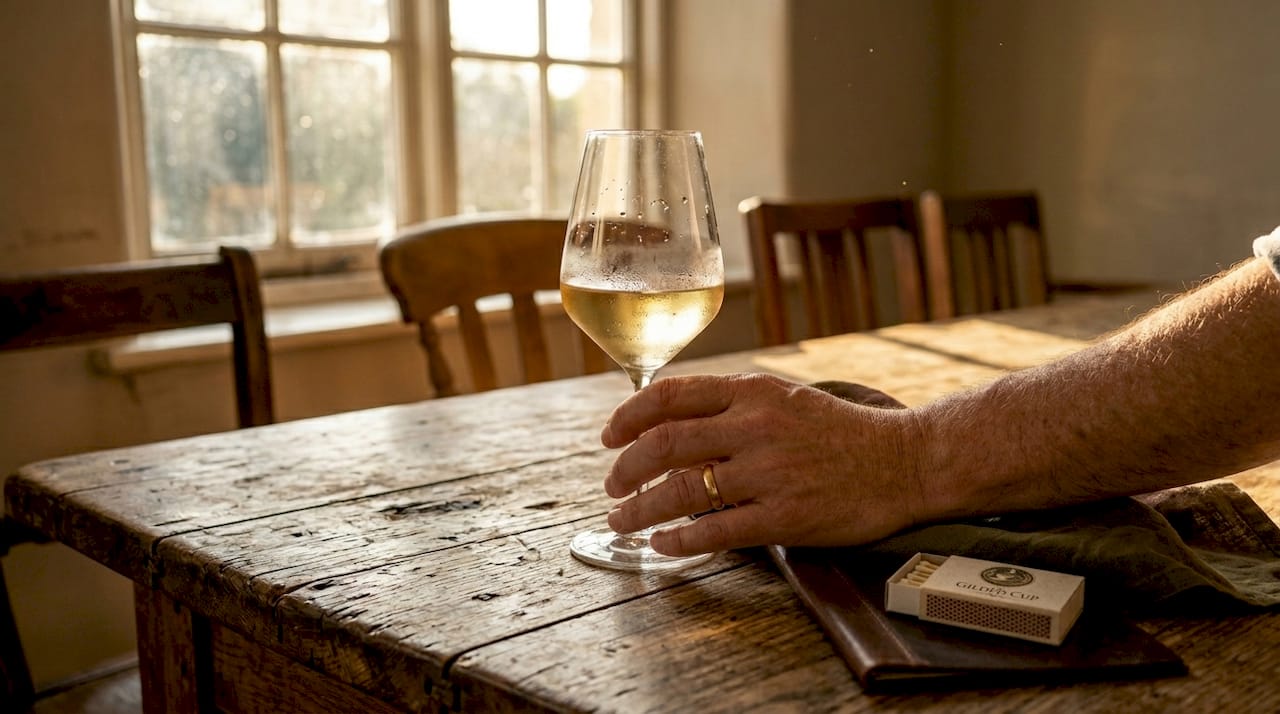
Your hand runs at approximately 98°F. A well-chilled white Burgundy is served around 52°F. The moment you wrap your hand around a stemless glass, you begin warming the wine. Within minutes, that carefully maintained temperature drifts, and with it, the wine’s intended character. Stemmed glasses reduce heat transfer, preserving drink temperature over the tasting window, which is especially critical for whites and sparkling wines.
Here is how to think about stem choice for different hosting contexts:
- Formal wine dinners: Always stemmed. You want guests to hold the stem, not the bowl, so the wine evolves exactly as intended throughout the meal.
- Spirit tastings: Crystal nosing glasses with long stems allow controlled swirling without fingerprints clouding the bowl, keeping the visual and aromatic experience pristine.
- Casual patio entertaining: Stemless makes sense here. The trade-off in sensory precision is acceptable when the priority is relaxed, unbreakable ease.
- Champagne service: Flutes with stems are non-negotiable. Without them, your sparkling wine warms in minutes and loses its defining effervescence.
- Cocktail service: Depends on the cocktail. A Martini needs its chilled stem held to maintain temperature; an Old Fashioned served over ice in a stemless tumbler is perfectly at home.
Pro Tip: When swirling wine to release aromatics, hold the stem near the base and use small, controlled circles. This keeps the bowl clear of smudges and allows you to appreciate the wine’s color, clarity, and legs against the light, all of which are part of the full tasting experience.
Understanding the quality home barware benefits goes far beyond which glass looks best on a shelf. It means selecting pieces that protect your drinks’ integrity from pour to last sip.
Designer glassware as a status symbol: identity, culture, and collectibility
Apart from enhancing taste and presentation, designer glassware plays a meaningful role as a personal and cultural statement. For collectors and serious hosts, a piece of crystal is never just a vessel. It is a position, a provenance, and a point of view.
The importance of serving in quality glassware extends into how it frames the host’s identity. When you serve a single malt in a hand-blown crystal glass with a heritage story, you are not just offering a drink. You are communicating that you understand the craft behind the spirit, that you respect your guest enough to serve it properly, and that your home is a place where the details matter. Affluent hosts use unique glassware as identity and status signals, transforming beverage presentation into a cultural and collectible experience.
What makes a piece collectible rather than merely expensive?
- Limited edition production: Numbered runs from heritage crystal houses carry inherent rarity and resale interest
- Artisan techniques: Hand-cut, mouth-blown, or gilded glassware reflects human craft that cannot be replicated by machines
- Historical lineage: Pieces from makers with decades of tradition carry cultural weight beyond their physical form
- Customization: Bespoke commissions with personalized motifs or initials become heirloom objects rather than consumer goods
- Display value: Great glassware does not hide in cabinets. It is displayed, talked about, and passed between generations
“What hangs on a wall or sits in a cabinet says something about who you are. So does what sits on your table.”
Learning about bespoke drinkware benefits reveals how personalization transforms a glass from a product into an extension of your personal aesthetic. And if you are assembling a collection, the collector’s guide to tumbler glass is an excellent reference for understanding how this versatile form spans functional and collectible territory simultaneously.
Choosing the right designer glassware: matching form to function and occasion
Now that we understand why designer glassware matters, here is how to select pieces that suit your drinks and entertaining occasions perfectly. The advantages of using designer glassware only materialize when you match the right glass to the right context. A wrong pairing does not just look off. It actively diminishes the experience.
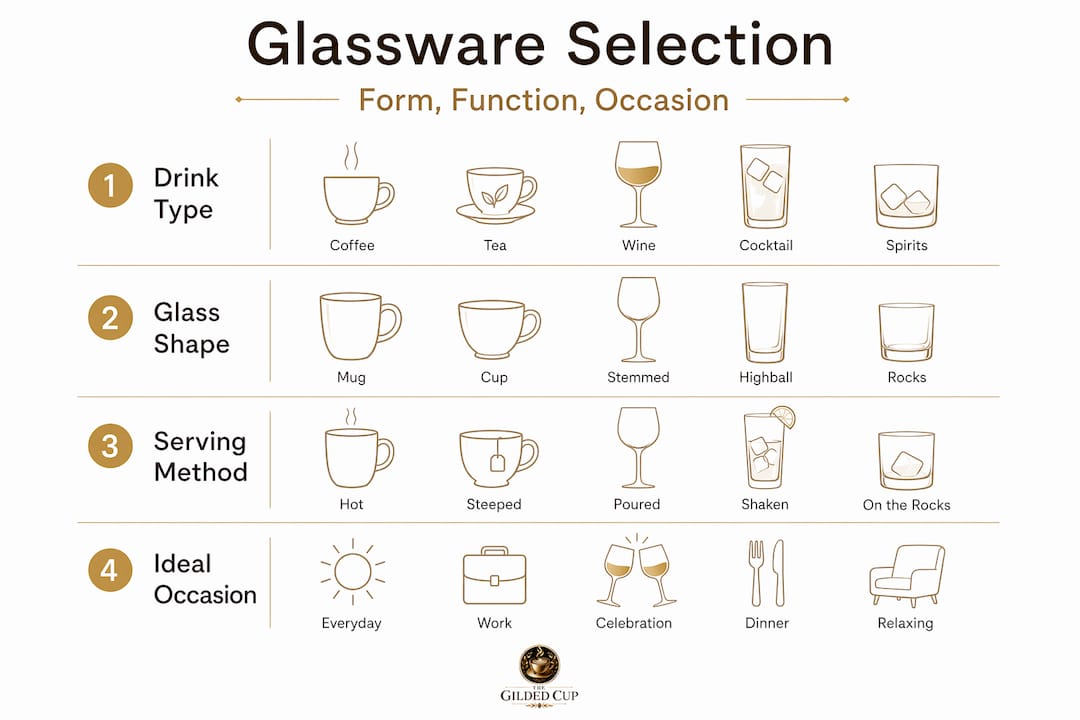
To match glass shape to drink characteristics, consider ice use, carbonation, aroma needs, and serving method for the ideal experience.
| Drink type | Ideal glass shape | Key design feature | Avoid |
|---|---|---|---|
| Sparkling wine | Tall flute or tulip | Narrow bowl, stemmed | Wide bowl, stemless |
| Full-bodied red | Wide Bordeaux or Burgundy bowl | Large surface area, stemmed | Narrow tumbler |
| Aromatic white | Medium tulip, stemmed | Moderate bowl width | Overly wide bowl |
| Aged whiskey | Crystal nosing glass | Tapered rim, stemmed | Short, wide tumbler |
| Cocktails with ice | Short tumbler or rocks glass | Thick base, wide rim | Flute or narrow shape |
| Craft beer | Tulip or pint glass | Open rim, moderate bowl | Narrow flute |
Here is a practical framework for building your glassware selection:
- Start with the drinks you serve most. Do not buy every glass type. Identify your three or four core drink categories and acquire one excellent glass per category.
- Prioritize stemmed for any temperature-sensitive wine. Even one set of quality stemmed glasses elevates your white and sparkling wine service immediately.
- Invest in a versatile crystal tumbler. A quality rocks glass serves spirits, cocktails, and even water with equal elegance.
- Match scale to occasion. A large tasting event calls for durable, elegant pieces that can withstand repeated handling; an intimate dinner allows for your finest, most delicate crystal.
- Coherence matters. Mixing glass styles can feel chaotic. Build a cohesive aesthetic across your bar glasses collection so the table tells a unified visual story.
Pro Tip: Do not overlook pouring volume. A generous pour in a large bowl glass spreads thinly and looks meager. Match your pour size to your glass size, and your presentation immediately looks more considered and refined.
Assembling your selection with intention, guided by the practical choices covered in resources on luxury bar accessories, turns your bar into something guests notice and remember.
Reconsidering designer glassware: beyond tradition to intentional living and sensory mindfulness
Here is the perspective most articles skip. The conversation about why choose designer glassware usually stays in the territory of status or science, as if those are the only two reasons that matter. They are not. There is a third dimension that experienced collectors and serious hosts recognize over time: intentionality.
When you pour a drink into a thoughtfully chosen glass, you slow down. You look at it differently. You bring it closer to smell before you taste. The act of engaging with beautiful, purposeful objects changes the pace of an interaction. Guests who might otherwise gulp and move on find themselves lingering, talking about the glass in their hand, asking where it came from. That conversation is not about the glassware. It is about craft, taste, and the care behind the choice. Designer glassware opens that door.
This matters more now than it did a decade ago. We live surrounded by disposability. Paper cups, plastic tumblers, and fast-purchased glassware that no one remembers. Choosing to serve in pieces built to last, made by hands that understood the form, is a quiet act of counter-culture. It says you refuse to let your entertaining be ordinary. Understanding the quality home barware benefits in this light reframes glassware from an expense into a practice.
The most refined hosts we know do not have the largest collections. They have the most considered ones. Every piece they own has a story. Every glass placed on a table is there on purpose. That intentionality is what guests feel without being able to name it. It is what makes an evening feel genuinely different from one that simply had good wine.
Elevate your home entertaining with The Gilded Cup’s designer glassware
Ready to enhance your entertaining experience? The Gilded Cup offers carefully selected designer glassware and mugs that embody both form and function. Every piece in the collection has been chosen for the same reasons outlined here: sensory performance, craftsmanship, and the ability to signal something meaningful about the host who chose it.
Whether you are building a complete home bar or searching for a single standout piece, the collections at The Gilded Cup give you options that blend elegance with purpose. Explore the designer mugs collection for pieces that bring the same intentionality to your morning ritual that great stemware brings to your dinner table. If you want something with understated character, the enamel mugs offer durability with genuine style. Or consider the color inside mugs for a visual detail that surprises guests with every pour. Every sip deserves a glass worth holding.
Frequently asked questions
Why does the shape of a wine glass affect its taste?
The shape alters how aromas are concentrated and how the wine interacts with air, because glassware shape physically alters sensory delivery by changing interactions with drink surface and vapors, reshaping flavor perception entirely.
Is stemmed glassware better than stemless for wine?
Stemmed glasses better preserve serving temperature and aromatic integrity, making them ideal for precise tasting, while stemless glasses sacrifice temperature control in exchange for casual convenience.
Can designer glassware be a collectible investment?
Yes, many affluent hosts view unique designer glassware as status symbols and collectible art, as collectible glassware reflects identity and cultural status, becoming objects that can be appreciated, displayed, and passed on.
How do I choose the best glassware for different drinks at home?
Match glass shape to drink type considering carbonation, aroma, serving temperature, and occasion, because matching shape to drink characteristics and serving style maximizes every sensory advantage the drink has to offer.
Do designer glasses really make a difference in home entertaining?
Yes. Designer glassware enhances the sensory experience, supports hosting elegance, and reflects personal taste, significantly elevating how you and your guests enjoy every drink from first look to final sip.