

What Is Gold-Plated Drinkware? A Buyer's Guide
Gold-plated drinkware is defined as glass, porcelain, or brass beverage containers coated with a thin layer of 24-carat gold, applied through electroplating or kiln firing. The result is a piece that carries the visual weight of pure gold without the cost of solid gold construction. Luxury hosts, gift buyers, and collectors prize these pieces for their elegance at the table and their staying power as keepsakes. Understanding what separates a quality piece from a cheap imitation makes all the difference when you are spending real money on something meant to impress.
What is gold-plated drinkware made from?
Gold-plated drinkware starts with a base material, and that choice shapes everything from weight to durability. The three most common bases are porcelain, glass, and brass. Porcelain holds heat well and takes gold decoration beautifully, making it the standard for mugs and teacups. Glass shows off the color of champagne and spirits, which is why it dominates the luxury barware category. Brass is heavier and more durable, often used for goblets and cocktail cups.
The gold layer itself is 0.1 to 0.5 microns thick. That is thinner than a human hair, yet it delivers the full visual impact of gold when applied correctly. The thinness also means the application method matters enormously.
Electroplating vs. kiln firing
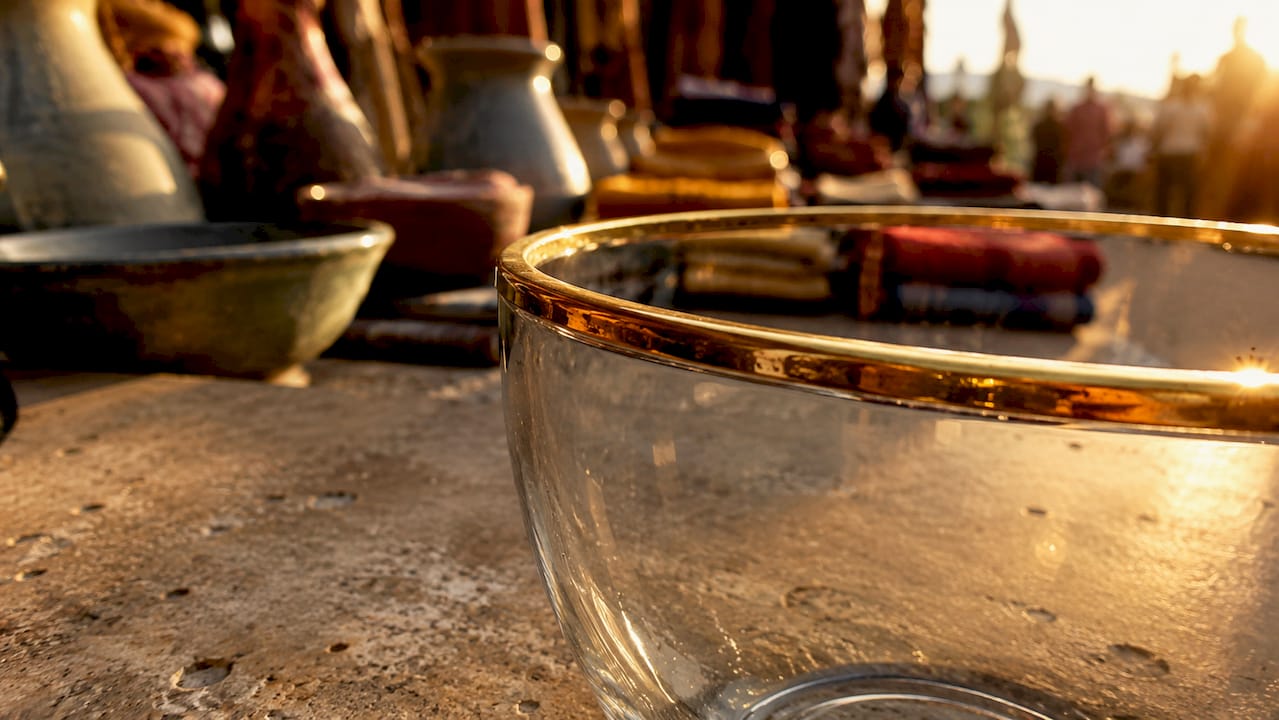
Electroplating uses an electrical current to bond gold ions directly to the base material. It is fast, consistent, and widely used for glass and metal bases. Kiln firing, by contrast, applies liquid gold paste to ceramics and then fires the piece at 750–880°C, forming a permanent chemical bond between the gold and the surface. That bond resists fading and peeling in ways that low-temperature metallic paints simply cannot match.
Low-quality alternatives use metallic decorations cured at low temperatures. Those coatings lack durability and peel early, especially when exposed to acidic liquids. The difference between a piece fired at 800°C and one painted with cheap metallic lacquer is visible within months of regular use.
Pro Tip: Ask suppliers for the firing temperature used in production. Anything below 700°C is a red flag for long-term durability.
| Method | Temperature | Bond Type | Durability |
|---|---|---|---|
| Kiln firing | 750–880°C | Chemical bond | High |
| Electroplating | Room temp (chemical bath) | Ion bond | Medium to high |
| Low-temp metallic paint | Below 200°C | Surface adhesion | Low |
Are gold-plated cups safe to drink from?
Properly made gold-plated drinkware is food safe. Gold itself is biologically inert, meaning it does not react with liquids or leach into beverages. The real safety concern comes from what sits beneath the gold. Uncertified coatings may contain lead or cadmium, both of which are toxic heavy metals that can leach into drinks, especially acidic ones like coffee, wine, or citrus-based cocktails.
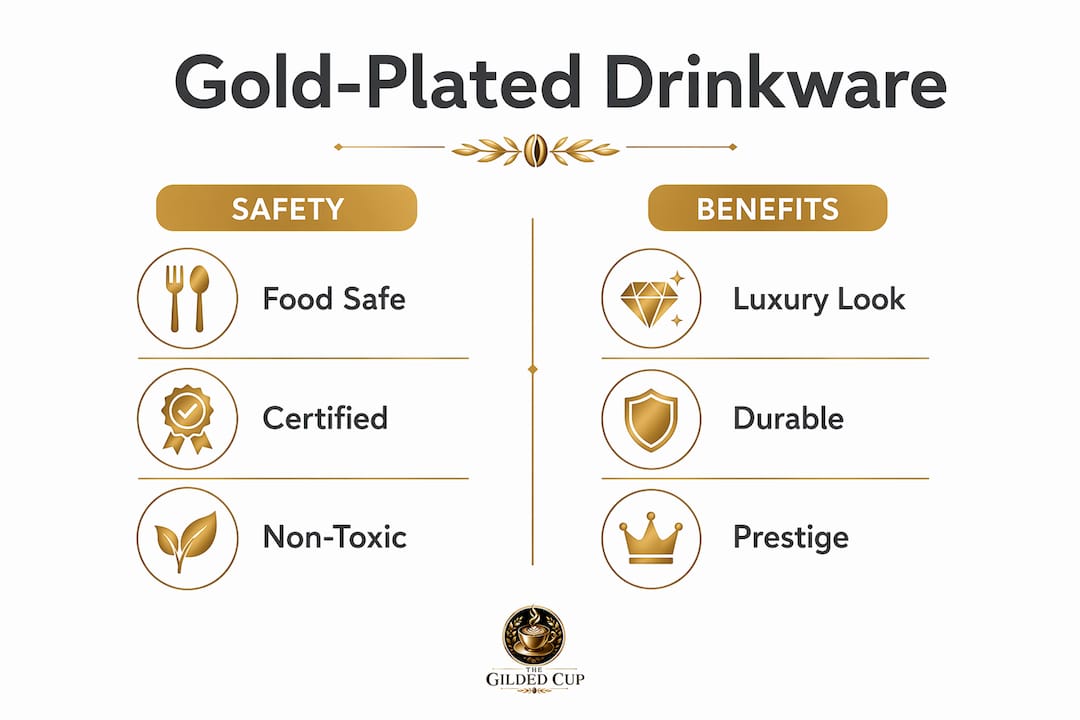
The safest gold-plated beverage containers carry independent food-grade certifications. Look for FDA approval, LFGB certification (the German food contact standard widely respected in the industry), or SGS testing reports. These certifications confirm the piece has been tested for heavy metal migration and meets safety thresholds.
Wear is the other variable. When gold plating wears down, base metals like nickel or copper can be exposed. Nickel is a common allergen. Copper reacts with acidic foods. This is why care practices are not optional for gold-plated drinkware. They are the difference between a piece that stays safe for years and one that becomes a risk.
Key safety practices for gold-plated cups:
- Hand wash only with mild, non-abrasive dish soap
- Never microwave gold-plated pieces. Gold conducts electricity and can arc in a microwave
- Avoid acidic cleaners, bleach, and abrasive scrubbers
- Inspect pieces regularly for visible wear, chipping, or fading
- Buy only from suppliers who provide third-party safety certifications
Pro Tip: If a seller cannot provide an SGS or LFGB test report on request, treat the product as uncertified and shop elsewhere.
What are the benefits of gold-plated drinkware for luxury and gifting?
Gold-plated drinkware signals prestige in a way that few other table accessories can. Luxury beverage brands use gold-decorated glassware to enhance the perceived value of champagne, fine spirits, and specialty cocktails. The visual contrast between a clear glass and a gold rim or base elevates the entire drinking experience. That effect is not accidental. It is why gold has carried symbolic weight across cultures for centuries, from royal banquets to modern weddings.
Gold also carries deep symbolic meaning beyond aesthetics. Gold in decorative objects has long represented abundance, celebration, and honor across cultures. Giving someone a gold-plated set communicates that the occasion and the recipient are worth the extra thought.
For gift buyers, gold-plated drinkware hits a sweet spot that most gifts miss. It is personal without being intimate, luxurious without being impractical, and visually striking without being loud. The 2026 drinkware gifting trends show growing demand for personalized, bespoke pieces, with engraving and custom color combinations becoming standard requests.
Top reasons buyers choose gold-plated drinkware:
- Aesthetic impact. The gold finish photographs beautifully and creates a memorable table setting for events and dinner parties.
- Gifting versatility. Gold-plated sets work for weddings, anniversaries, corporate gifts, and holiday occasions without feeling generic.
- Collector appeal. Limited-edition or artisan pieces hold sentimental and sometimes monetary value over time.
- Brand differentiation. Hospitality businesses use gold-plated glassware to signal quality and create a distinct brand identity.
- Personalization options. Many manufacturers offer custom engraving, monogramming, and bespoke designs on gold-plated pieces.
“Applied metal particles are kiln-fired to bond with glass, ensuring durability and a luxury aesthetic that mass-produced alternatives cannot replicate.” — VD Glass, B2B glass decoration specialists
How to clean gold-plated drinkware without damaging it
Hand washing is the only safe cleaning method for gold-plated glassware. Dishwashers and abrasive detergents damage the gold finish over time, stripping the layer and exposing the base material beneath. The high heat and harsh chemicals in a dishwasher cycle accelerate wear that would otherwise take years.
Use warm water and a small amount of mild dish soap. Wash gently with a soft cloth or sponge, never a scrubbing pad. Rinse thoroughly and dry immediately with a lint-free cloth to prevent water spots, which can etch into the gold surface if left to dry on their own.
Storage matters as much as washing. Gold-plated pieces scratch easily when stacked without protection. Wrap individual pieces in soft cloth or felt, or use padded dividers in a cabinet. Avoid storing gold-plated items next to metal utensils or other hard objects.
Care practices that preserve your gold-plated drinkware:
- Wash within a few hours of use, especially after acidic beverages like wine or citrus drinks
- Use only pH-neutral dish soap. Avoid anything labeled “heavy duty” or “degreaser”
- Store pieces upright or individually wrapped to prevent contact scratches
- Never soak gold-plated items in water for extended periods
- Inspect the gold surface every few months for signs of fading or lifting
Pro Tip: A drop of baby oil on a soft cloth, buffed gently over the gold surface after washing, can restore a subtle shine to pieces that have dulled with age.
Gold-plated vs. other luxury drinkware options
Gold-plated drinkware is one of several premium options, and knowing the differences helps you buy with confidence. Gold rim drinkware, for example, applies gold only to the edge of the piece. It is less expensive and easier to produce, but the rim is also the most vulnerable area to wear from lip contact and washing. Fully gold items, like solid gold goblets, exist but are priced far beyond what most buyers consider practical.
Silver-plated drinkware offers a cooler, more understated aesthetic. It tarnishes more readily than gold and requires polishing to maintain its appearance. For buyers who want low maintenance and warm color, gold plating wins. For buyers who prefer a modern, cooler palette, silver plating is the stronger choice.
The hospitality drinkware trends for 2026 show gold-plated pieces outperforming silver in gifting and event contexts, while stainless steel with gold-tone finishes is gaining ground in everyday luxury use.
| Type | Cost | Durability | Maintenance | Best Use |
|---|---|---|---|---|
| Gold-plated (kiln-fired) | Medium to high | High | Hand wash only | Events, gifts, display |
| Gold rim only | Low to medium | Medium | Hand wash only | Everyday luxury |
| Silver-plated | Medium | Medium | Polishing required | Modern, cool-tone settings |
| Stainless steel (gold-tone) | Low to medium | Very high | Dishwasher safe | Daily use |
| Solid gold | Very high | Very high | Minimal | Collector, heirloom |
Gold-plated drinkware sits at the intersection of genuine luxury and practical price. It delivers the look of solid gold at a fraction of the cost, with durability that outlasts cheap alternatives when cared for properly.
Key Takeaways
Gold-plated drinkware is a safe, durable, and genuinely luxurious choice when you buy certified pieces and follow proper care practices.
| Point | Details |
|---|---|
| Gold layer thickness | The gold layer is 0.1–0.5 microns thick, applied by electroplating or kiln firing at 750–880°C. |
| Safety depends on certification | Buy only pieces with FDA, LFGB, or SGS certification to avoid lead and cadmium exposure. |
| Hand wash only | Dishwashers and abrasive cleaners strip the gold finish and expose base metals. |
| Gifting and events | Gold-plated sets are the strongest choice for weddings, anniversaries, and corporate gifts. |
| Kiln firing beats low-temp paint | Professional firing creates a permanent bond; low-temperature metallic coatings peel and leach. |
Why certification is the only thing that matters when buying gold-plated drinkware
I have handled a lot of gold-plated pieces over the years, and the single biggest mistake buyers make is prioritizing appearance over documentation. A piece can look stunning in a product photo and still be made with a low-temperature metallic coating that will peel within six months. The gold finish is easy to fake. The certification is not.
When I evaluate a gold-plated item, the first question I ask is whether the supplier can produce an SGS or LFGB test report. Most reputable manufacturers have these on file and share them without hesitation. A supplier who deflects that question is telling you something important.
The second thing I look for is the firing method. Kiln-fired pieces at 750°C or above have a fundamentally different feel. The gold sits flush with the surface rather than sitting on top of it. You can often tell by running a fingernail lightly across the decorated area. A properly fired piece feels smooth and continuous. A painted piece has a slight raised edge.
My honest advice for gift buyers: spend slightly more on a certified piece from a supplier with transparent manufacturing practices. A gold-plated champagne flute that lasts a decade and stays safe is worth three times the price of one that fades in a year. The selection tips for luxury drinkware I have seen work best all come back to the same principle: buy the documentation, not just the design.
— Sharbel
Thegildedcup: curated gold-plated drinkware for serious buyers
Thegildedcup carries a curated selection of gold-plated drinkware built around one standard: every piece must be food-safe certified and worth giving.
The catalog spans champagne flutes, whiskey glasses, cocktail sets, and ceramic mugs, all sourced from manufacturers who provide third-party safety documentation. Whether you are building a home bar, planning a wedding, or searching for a gift that will not be forgotten, Thegildedcup offers pieces that hold up to both scrutiny and daily admiration. Browse the full gold-plated drinkware collection and filter by occasion, material, or style to find exactly what you need.
FAQ
What is the gold layer on gold-plated drinkware made of?
The gold layer is 24-carat gold, applied in a thickness of 0.1 to 0.5 microns using electroplating or kiln firing. Higher-carat gold is used for authenticity and a richer color.
Are gold-plated cups safe for hot beverages?
Yes, provided the piece is certified lead-free and cadmium-free. Certified gold-plated ceramics are safe for hot drinks, but you should never microwave them, as gold conducts electricity and can cause arcing.
How long does gold plating last on drinkware?
Kiln-fired gold plating at 750–880°C can last many years with proper hand washing and careful storage. Low-temperature metallic coatings may begin peeling within months, particularly with acidic beverages.
Can I put gold-plated drinkware in the dishwasher?
No. Dishwashers damage the gold finish through heat and harsh detergents, stripping the plating and exposing base metals. Hand washing with mild soap is the only recommended method.
Where should I buy gold-plated drinkware?
Buy from suppliers who provide independent food-safety certifications such as FDA, LFGB, or SGS test reports. Thegildedcup specializes in certified, curated gold-plated beverage containers for gifting and home use.