

The Role of Design in Bar Accessories That Matter
Design in bar accessories is the intentional marriage of beauty and function that transforms a home bar from a simple shelf of bottles into a sophisticated, efficient entertaining space. The role of design in bar accessories goes far beyond surface appearance. It determines how a shaker sits in your hand, how quickly you can locate a jigger mid-pour, and whether your guests feel the care you put into hosting. Brands like Riedel and Denver & Liely have built entire reputations on this principle: that well-designed barware performs better and communicates something meaningful about the person using it. This guide breaks down exactly how form, function, and craftsmanship combine to shape the home bar experience.
How does thoughtful design improve bar accessory functionality?
Good bar accessory design is defined by ergonomics, modularity, and the elimination of wasted space. These are not decorative concerns. They are performance factors that determine how smoothly you move behind your own bar.
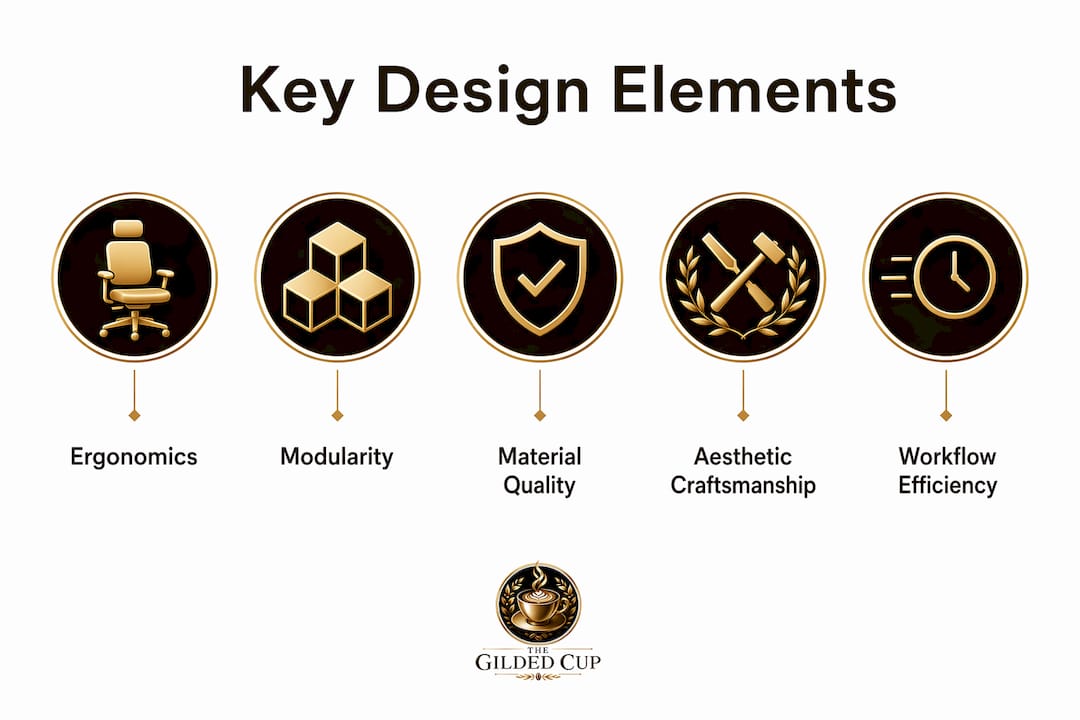
Consider the weighted shaker. A properly balanced shaker sits naturally in the palm, reduces wrist fatigue during extended use, and seals reliably without excessive force. The same logic applies to a well-proportioned stirring spoon: the right length and gauge allow you to stir a Manhattan without knocking the rim of a mixing glass. A functional home bar requires only six essential tools: weighted shakers, a mixing glass, a stirring spoon, graduated jiggers, a cocktail strainer, and ice handling tools. That restraint is itself a design principle. Every tool earns its place.
Modular design takes this further. The Krowne x Death & Co Adaptive Scupper Series demonstrates how bar accessories designed as interconnected systems eliminate physical dead space and accelerate service speed. When your tools nest together logically, you spend less time searching and more time pouring. For a home bar, this translates to drawer organizers, magnetic tool strips, and tiered trays that keep your six essentials within arm’s reach without visual chaos.
- Start with balance and grip. Pick up any tool before buying it. A shaker that feels top-heavy or a jigger with a narrow waist will slow you down.
- Choose tools with a clear single purpose. Multi-function gadgets that claim to do five things usually do none of them well.
- Prioritize materials that age well. Brushed stainless steel and hand-blown glass develop character over time. Plastic and chrome-plated zinc do not.
- Test for noise and stability. A strainer that rattles or a mixing glass that rocks on the counter signals poor manufacturing tolerances.
- Edit ruthlessly. Professional mixologists often reach for deceptively simple tools like plain chopsticks over ornate bar spoons because utility always wins.
Pro Tip: Before adding any new tool to your bar setup, ask whether it replaces something you already own or genuinely fills a gap. If it does neither, it is clutter dressed as equipment.
What role does aesthetic craftsmanship play in barware selection?
The role of aesthetics in drinkware and tableware is not decoration for its own sake. It is the visual language your bar speaks before a single drink is poured. Well-designed drinkware functions as miniature sculpture, echoing the design values of your home interiors and connecting glassware with furniture lines to unify the entire space. That is a significant claim, and it holds up in practice.
The role of craftsmanship in ceramics and stoneware adds another layer. Eclectic tableware design blends technical durability with layered cultural symbolism, using stoneware’s density and texture to carry both functional and narrative weight. A hand-thrown stoneware whiskey cup does not just hold a drink. It references a tradition of making, a material history, and a deliberate choice to slow down. That is the difference between a bar accessory and a bar object worth owning.
Here is what to look for when evaluating aesthetic craftsmanship in barware:
- Material integrity. Crystal that rings when tapped, stoneware with visible throwing marks, and copper that develops a patina all signal genuine craft rather than mass production.
- Proportional coherence. A Riedel Burgundy glass is tall and wide-bowled for a reason. The shape directs the wine’s aromatics toward your nose. Form follows function, even in the most elegant glassware.
- Cultural and historical reference. Accessories that draw on specific design traditions, whether Japanese minimalism, Scandinavian functionalism, or Moroccan geometric patterns, add depth to a bar’s visual identity.
- Consistency across a set. Mismatched glassware can work intentionally, but it requires a unifying element: shared color, material, or scale. Without that thread, a bar looks assembled by accident rather than by choice.
Artistic tableware reframes everyday rituals by blending utility and art to create meaningful experiences. That philosophy applies directly to the role of design in fine drinkware: the glass you choose for a Negroni shapes how you experience the drink, not just how it looks on the shelf.
How can you curate bar accessories for both style and workflow?
Curation is the discipline that separates a beautiful bar from a functional one. The goal is a setup where every object is accessible, every surface is intentional, and nothing competes for attention without earning it.
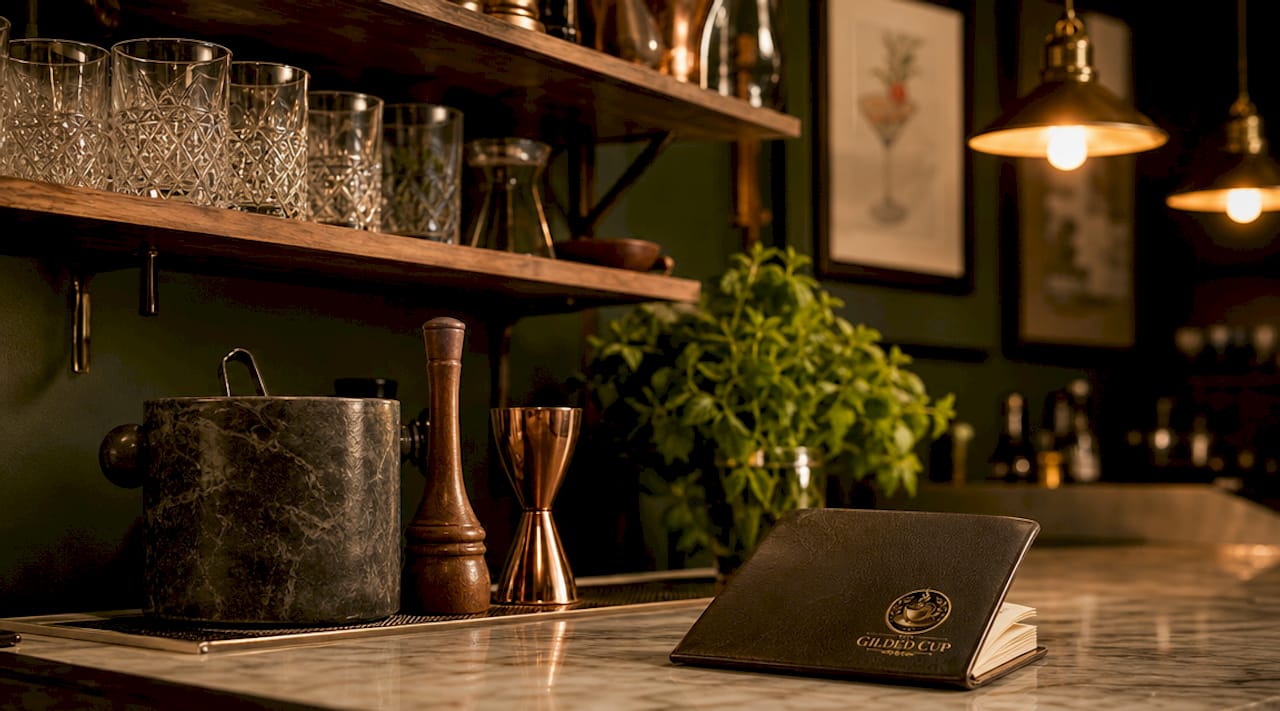
Pro Tip: Treat your bar surface like a stage. Everything visible should be there because it performs a role, not because it has nowhere else to go.
The following comparison shows how two common approaches to bar organization differ in practice:
| Approach | Style outcome | Workflow outcome |
|---|---|---|
| Display everything on open shelving | High visual impact, but can feel cluttered | Slower service; harder to locate specific tools |
| Curated tray with six core tools | Clean, intentional aesthetic | Fast access; clear visual hierarchy |
| Mixed open and closed storage | Balanced visual interest | Best of both: display pieces visible, working tools stored |
| Themed accessory sets (matched materials) | Strong design coherence | Moderate; matching sets can limit flexibility |
The most effective home bars use the third approach: display the objects worth looking at, store the rest. A hand-blown mixing glass and a copper Moscow Mule mug earn shelf space. A spare strainer and a bottle opener do not.
Soft, warm lighting is the single most underused tool in home bar design. Lamps and candles relax guests and make glassware glow in ways that overhead fluorescents never will. Pairing warm light with art-inspired display techniques creates the kind of ambient depth you find in well-designed cocktail bars. Your glassware becomes part of the room’s composition, not just its inventory.
Matching accessory design to your home’s existing aesthetic is equally important. If your furniture runs toward clean lines and natural wood, reach for glassware with simple silhouettes and matte finishes. If your space leans maximalist, a set of cut-crystal tumblers and a brass cocktail shaker will feel at home. The design impact on bar tools extends to how they interact with everything else in the room.
How are modern design trends shaping the future of bar accessories?
The future of bar accessory design is moving in three clear directions: modularity, sustainability, and the deliberate reduction of complexity.
- Modular systems. Accessories designed to work together as a system, rather than as individual objects, are gaining ground. Nesting tool sets, stackable glassware, and configurable storage trays all reflect this shift. Drinkware design increasingly emphasizes ease of cleaning, modularity, and maintenance reduction to improve long-term usability. That is a practical benefit with a direct aesthetic payoff: simpler structures look cleaner on a shelf.
- Sustainable materials. Stoneware, recycled glass, and plant-based resins are replacing chrome-plated zinc and single-use plastics. The role of craftsmanship in glassware and ceramics is growing because consumers want objects that last and carry meaning. A stoneware cocktail cup made to last twenty years is a better investment than a set of mass-produced tumblers replaced every two.
- Reduced visual complexity. The most forward-looking barware strips away ornament to focus on silhouette, material quality, and tactile experience. This aligns with broader 2026 barware trends that favor objects with quiet confidence over loud decoration.
The underlying principle across all three trends is the same: design that serves the experience rather than performing for it. The best bar accessories in 2026 will be the ones you barely notice because they work so well.
Key takeaways
Design in bar accessories succeeds when it integrates ergonomic function, material craftsmanship, and curated visual coherence into a setup that performs as well as it looks.
| Point | Details |
|---|---|
| Limit your core tools | Six well-designed essentials outperform a cluttered collection of twenty mediocre gadgets. |
| Craftsmanship signals quality | Material integrity in crystal, stoneware, and copper indicates durability and intentional design. |
| Lighting is a design tool | Warm, ambient light transforms how glassware looks and how guests feel in the space. |
| Curation beats accumulation | Display only what earns visual attention; store the rest for a cleaner, faster workflow. |
| Modularity is the future | Accessories designed as systems reduce maintenance, improve organization, and look better over time. |
Why design in barware is more personal than most people admit
I have spent years handling barware at every price point, from mass-produced cocktail sets to hand-blown crystal from small European workshops. The honest lesson is this: the objects you choose for your bar reveal your values more clearly than almost anything else in your home.
When someone picks up a well-weighted shaker or runs a finger along the rim of a properly made mixing glass, they feel the difference before they can articulate it. That tactile response is not snobbery. It is the body recognizing quality. Intentional design in everyday objects encourages mindfulness, turning routine rituals like mixing a drink into something worth paying attention to.
What most articles miss is that the role of craftsmanship in drinkware is also about hospitality as a practice. When you serve a guest in a glass that was made with care, you are communicating that their experience matters to you. That is not a small thing. It is the entire point of having a home bar in the first place.
My practical advice: buy fewer things and buy them better. One set of Riedel glasses you love will do more for your bar than three sets of adequate ones. And if you want your bar to feel like a place rather than a storage area, treat the art of display with the same seriousness you give to the tools themselves.
— Sharbel
Discover barware that earns its place on your shelf

At Thegildedcup, every piece in the collection is chosen because it passes the same test described throughout this article: does it perform, does it last, and does it look like it belongs? The enamel mug collection is a strong example of that standard in practice. These mugs combine the durability of enamel with a clean, considered aesthetic that works equally well for a morning coffee ritual or a casual home bar setup. If you are building a bar that reflects genuine taste rather than impulse buying, the luxury bar accessories curated by Thegildedcup give you a focused starting point.
FAQ
What is the role of design in bar accessories?
Design in bar accessories determines both how tools perform and how they contribute to the visual identity of a home bar. Good design integrates ergonomics, material quality, and aesthetic coherence so that every object serves a clear purpose.
How does craftsmanship affect drinkware quality?
Craftsmanship in glassware and ceramics signals material integrity and durability. Hand-blown crystal, hand-thrown stoneware, and precision-cast metal tools all perform better and age more gracefully than mass-produced alternatives.
How many bar tools does a home bar actually need?
A functional home bar requires six core tools: a weighted shaker, mixing glass, stirring spoon, graduated jiggers, cocktail strainer, and ice handling tools. Adding beyond these six without a specific purpose creates clutter that slows workflow.
Why does lighting matter for bar accessory display?
Warm, ambient lighting makes glassware glow and creates an inviting atmosphere that overhead lighting cannot replicate. Lamps and candles highlight the material qualities of crystal and stoneware while relaxing guests at the same time.
What design trends are shaping barware in 2026?
The dominant trends are modularity, sustainable materials like stoneware and recycled glass, and reduced visual complexity. Accessories designed as systems that are easy to clean and maintain are replacing ornate, single-purpose tools.