

Must-have bar glasses: the affluent collector's guide
The right glassware does not just hold a drink. It shapes the entire experience, from the first scent rising off a chilled coupe to the weight of a crystal rocks glass in your hand. Selecting must-have bar glasses for an upscale home bar requires balancing cocktail physics, material quality, and visual elegance in ways most buying guides completely ignore. This guide cuts through the noise, giving you a criteria-first framework for building a collection that impresses guests, honors the craft of the cocktail, and holds its value as both functional barware and refined decor.
Table of Contents
- How to choose bar glasses: key criteria for elegance and functionality
- The must-have bar glasses every upscale home bar needs
- Comparing premium martini and coupe glasses: top picks and what sets them apart
- Why glass shape matters: science behind the perfect pour and sip
- Elegant yet practical: shopping tips and overlooked glassware gems
- Rethinking glassware: why less can be more in an affluent home bar
- Elevate your home bar with The Gilded Cup’s elegant glassware selection
- Frequently asked questions
Key Takeaways
| Point | Details |
|---|---|
| Start with a core set | Begin your bar collection with rocks, highball, coupe, and champagne flute glasses to cover most cocktails. |
| Prioritize lead-free crystal | Choose lead-free crystal glassware for safety and to avoid harmful lead leaching in acidic drinks. |
| Glass shape affects cocktail quality | Select glass shapes that preserve temperature, aroma, carbonation, and appropriate dilution for each drink. |
| Balance elegance with function | Well-balanced, thin, durable glasses enhance sipping comfort and cocktail presentation. |
| Less is more in glassware | Avoid overbuying niche glasses early; build your collection based on favorite cocktails and usage. |
How to choose bar glasses: key criteria for elegance and functionality
Before you spend a dollar on essential barware, you need a framework. The shape of a glass is not decorative shorthand. It is an engineering decision that affects aroma concentration, temperature retention, and how a drink tastes from the first sip to the last. Bartenders emphasize proper glassware as essential to a great Martini, not just as an aesthetic choice.
Here are the criteria that separate a thoughtful collection from an expensive cabinet full of mismatched pieces:
- Glass shape: Choose based on the cocktail type. Narrow openings concentrate aroma toward the nose. Wide, open bowls let fragrance dissipate but suit spirit-forward drinks where you want the alcohol to breathe.
- Material: Lead-free crystal is the standard for any serious collection. It offers clarity, a satisfying ring when tapped, and no health risk from lead leaching into acidic cocktails.
- Capacity: Classic cocktail recipes are calibrated for specific volumes. A Negroni served in an oversized glass loses its chill and dilution balance before you finish it.
- Stem length and weight: Longer stems prevent hand warmth from transferring to chilled cocktails. Weight affects perceived quality and pour control.
- Practicality: Thin rims improve the sipping experience but require careful handling. Balance elegance against your actual entertaining habits.
Pro Tip: Resist the urge to buy every glass shape at once. A focused set of four glass types covers roughly 90% of classic cocktails. Add specialty shapes only after you identify which drinks you actually make most.
The must-have bar glasses every upscale home bar needs
With criteria established, the question becomes which specific glass types belong in your collection. A practical home bar starts with 6 rocks glasses, 6 highballs, 6 coupes, and 4 champagne flutes, approximately 22 glasses total. That number is not arbitrary. It reflects how often each glass type gets used across the full range of classic cocktails.
Here is the core lineup, in order of priority:
-
Rocks glass (Old Fashioned glass): The workhorse of any spirit-focused bar. Use it for Negronis, Old Fashioneds, Whiskey Sours on the rocks, and neat pours. You need two sizes: a single rocks (6 to 8 oz) for neat spirits and small builds, and a double rocks (10 to 14 oz) for drinks with large format ice. The wide mouth allows you to appreciate the aroma of aged spirits without funneling it too aggressively.
-
Highball glass: Tall, straight-sided, and designed for ice-heavy mixed drinks. Gin and Tonics, Mojitos, Moscow Mules, and Palomas all belong here. The Collins glass is functionally identical and the terms are often used interchangeably. Prioritize glasses with enough weight to feel substantial in hand without being cumbersome.
-
Coupe glass: The most elegant glass in your collection and arguably the most versatile. Coupes handle Daiquiris, Sidecars, Gimlets, and any stirred cocktail served “up.” The curved rim concentrates aroma beautifully and the wide, stable base makes it far less prone to tipping than a traditional martini glass. For glassware options prioritizing strength and design, the coupe is where most collectors find the best return on investment.
-
Champagne flute: Preserves carbonation and channels bubbles upward in a visual display that wide-mouthed glasses simply cannot replicate. Essential for sparkling cocktails, French 75s, and Bellinis. Four flutes cover most entertaining scenarios without crowding your cabinet.
-
Nick & Nora glass (add later): A smaller, rounded up-glass that sits between a coupe and a martini glass in shape. Ideal for spirit-forward stirred cocktails when you want a more intimate pour. Add this after your core four are in place.
-
Martini glass (add later): The iconic V-shape is visually striking but functionally challenging. The angular bowl concentrates aroma intensely, but the wide, shallow shape makes spilling almost inevitable. Worth adding once you are confident in your core collection.
Comparing premium martini and coupe glasses: top picks and what sets them apart
Not all crystal is equal, and the difference between a $15 coupe and a $60 one is not just branding. Riedel Vinum Martini Glasses and Glasvin Coupe are top choices by America’s Test Kitchen for balance and thin, durable crystal. Both earn that recognition because they solve the two problems that plague most cocktail glasses: poor balance and thick rims that interrupt the sipping experience.
Here is how the key variables compare across glass styles:
| Feature | Martini glass | Coupe glass |
|---|---|---|
| Bowl shape | Angular, V-shaped | Rounded, wide |
| Spill risk | High | Low to moderate |
| Aroma concentration | Very high | High |
| Stability | Low | Moderate to high |
| Best use | Dry Martinis, Cosmopolitans | Daiquiris, Sidecars, Gimlets |
| Stem length | Long | Medium to long |
| Visual impact | Dramatic | Elegant |
Key factors that define a premium glass in either category:
- Rim thickness: Thinner rims (under 1mm on quality crystal) deliver a cleaner sip and a more refined drinking experience.
- Crystal purity: Lead-free crystal is critical to avoid harmful leaching in acidic cocktails. This is non-negotiable for any glass that will hold citrus-based drinks regularly.
- Balance point: A well-made glass should balance at the base of the bowl with minimal effort. Poorly balanced glasses feel awkward and increase the risk of tipping.
- Optical clarity: Premium crystal should be virtually invisible, letting the color of the cocktail take center stage.
“The best cocktail glass is the one you forget you are holding.” This is the standard every premium glass should meet.
Pro Tip: When evaluating coupes in person, place the empty glass on a flat surface and nudge it gently. A well-balanced coupe will rock slightly and return to center. A poorly balanced one will tip. This simple test reveals more about quality than the price tag does.
For selecting top-rated glassware for classic cocktails, prioritize lead-free crystal with a thin rim and a stem long enough to keep your hand away from the bowl.
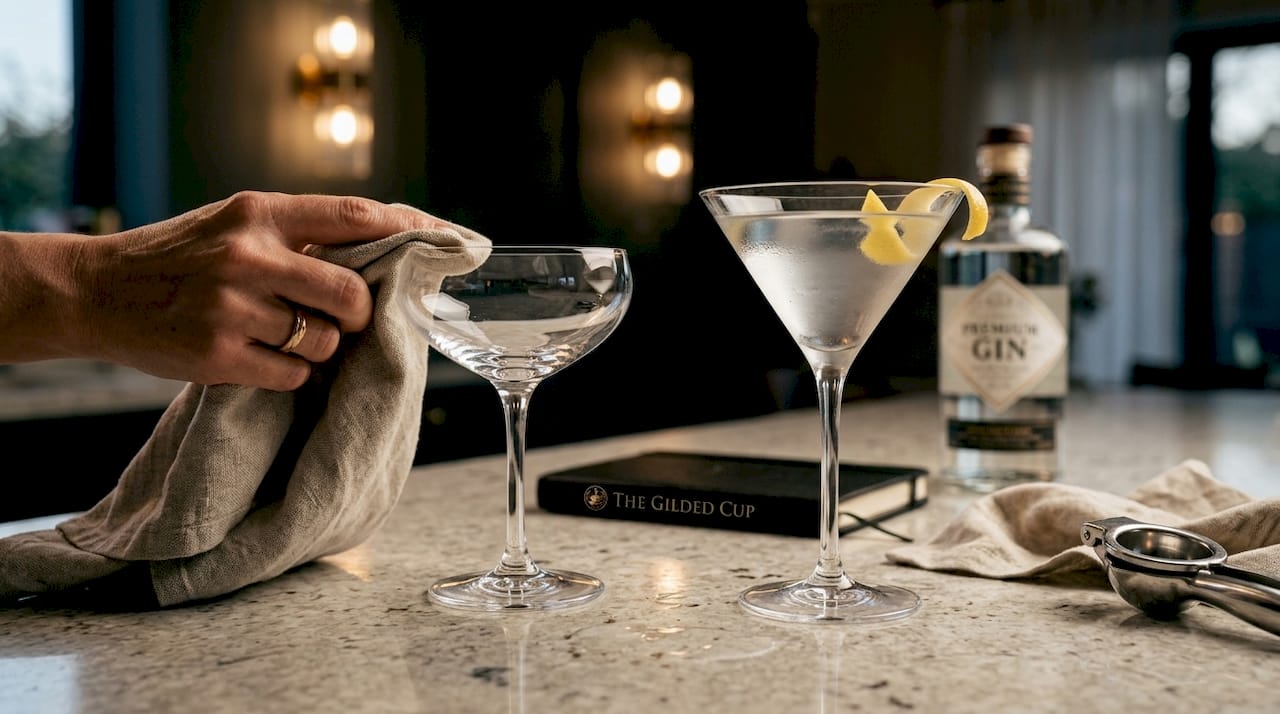
Why glass shape matters: science behind the perfect pour and sip
The physics here are real and they matter. Glass choice changes temperature, dilution feel, and aroma behavior, impacting cocktail enjoyment in ways that are measurable, not just subjective.
Consider these shape-specific effects:
- Tall, narrow glasses (highball, Collins): The reduced surface area slows carbonation loss and keeps ice from melting as quickly. A Gin and Tonic served in a wide rocks glass goes flat and warm faster than the same drink in a highball.
- Wide coupe bowls: The large surface area allows volatile aromatic compounds to reach your nose before the liquid touches your lips. This is why a well-made Daiquiri smells as good as it tastes when served in a coupe.
- Stem length: Every degree of warmth transferred from your palm to the bowl affects dilution rate and perceived flavor. A 2-inch stem makes a measurable difference in a chilled, spirit-forward cocktail served without ice.
- Rim shape: Inward-curving rims direct liquid to the center of the tongue, emphasizing sweetness. Outward-flaring rims spread liquid across the palate, amplifying acidity and bitterness.
The glass is not a passive container. It is the final ingredient in every cocktail you serve.
Understanding these mechanics explains why bartenders at high-end cocktail bars invest in specific glassware for each drink category. The glass is doing active work on the flavor profile before a single drop is consumed.
Elegant yet practical: shopping tips and overlooked glassware gems
Smart buying is not about spending the most. It is about knowing where quality matters and where you have flexibility. A few overlooked options and buying habits separate collectors who build genuinely useful bars from those who fill cabinets with beautiful but impractical pieces.
- Borosilicate glass coupes: Often overlooked in favor of crystal, borosilicate glass offers thermal resistance, durability, and a clean aesthetic at a fraction of the cost. Excellent for everyday use when you want style without anxiety about breakage.
- Inward-curving rims: When entertaining, spill prevention matters. Look for coupes with a slight inward curve at the rim. It makes a real difference when guests are carrying drinks across a room.
- Chill your glasses: Place glasses in the freezer for 10 minutes before serving. A frosted coupe keeps a Daiquiri cold through the entire drink. This single habit elevates the experience more than most people expect.
- Buy in stages: Start with your core four glass types. Add Nick & Nora glasses, martini glasses, and specialty pieces after you have identified which cocktails you make most. This approach avoids clutter and wasted storage space.
- Unique designs as decor: Anthropologie’s Icon Footed Coupe Glass offers durable, dainty style at a great price with unique designs suited to gifting. Distinctive glassware doubles as conversation pieces and decor when displayed on open shelving.
Pro Tip: When shopping for gift-worthy glassware options, prioritize sets of four or six over individual pieces. A matched set signals intentionality and gives the recipient a genuinely usable foundation rather than a single orphaned glass.
Rethinking glassware: why less can be more in an affluent home bar
Here is the perspective most buying guides will not give you: the impulse to collect every bar glass type is the single biggest mistake affluent buyers make. It is understandable. When you have the budget and the eye for beautiful objects, accumulation feels like curation. It is not.
A 40-piece glassware collection with eight different specialty shapes does not make better cocktails than a 22-piece collection built around four well-chosen types. What it does is create storage problems, increase breakage risk, and force you to make decisions about which glass to use that slow down the actual pleasure of entertaining.
The smart approach is to avoid buying niche shapes too early and instead start with core versatile glassware, then add specialty pieces based on your actual favorites. This is not a budget compromise. It is a quality-of-life decision. A coupe made from premium lead-free crystal, purchased in a set of six, will serve you better for a decade than a cabinet full of rarely used novelty glasses.
There is also a sensory argument here. When you know your glassware well, you use it better. You chill the coupes before a dinner party. You reach for the double rocks glass automatically when building a Negroni. Familiarity with your tools is part of what makes a home bar feel truly expert rather than aspirational.
Invest in glassware that prioritizes strength and design at the core level, and let your collection grow organically from there. The result is a bar that looks considered, functions beautifully, and never feels cluttered.
Elevate your home bar with The Gilded Cup’s elegant glassware selection
Building the bar collection this guide describes requires a source that takes both craft and quality seriously. The Gilded Cup curates high-end drinkware with exactly that balance in mind: pieces that hold up to regular use while looking exceptional on a bar cart or open shelf.
Whether you are outfitting a personal bar or searching for a glassware gift that makes a genuine impression, The Gilded Cup’s selection covers the full range. From the white glossy mug to the black glossy mug and the whiskey barrel aged collection, each piece is chosen for its combination of visual elegance and functional design. Shop with confidence knowing every piece meets the criteria this guide outlines: material quality, balance, and the kind of craftsmanship that makes a drink taste better before you even take a sip.
Frequently asked questions
What are the essential bar glasses for starting an elegant home collection?
A practical starter set includes 6 rocks glasses, 6 highballs, 6 coupes, and 4 champagne flutes, covering nearly every classic cocktail style with approximately 22 glasses total.
Why is lead-free crystal important in martini glasses?
Lead-free crystal prevents harmful leaching when acidic cocktails contact the glass, ensuring safety without sacrificing the visual clarity and ring that make crystal worth the investment.
Can I use a coupe glass for carbonated cocktails?
While coupes are elegant, their wide bowls cause bubbles to dissipate quickly due to large surface area, making champagne flutes the better choice for preserving carbonation in sparkling cocktails.
What makes a martini glass or coupe glass “premium”?
Premium glasses are well-balanced and made from thin, durable crystal designed for comfort and sipping quality, not just visual style. Rim thickness and balance point are the two most reliable quality indicators.
How should I store my crystal bar glasses to maintain quality?
Store glasses upright to avoid trapping stale air inside the bowl, and hand wash crystal to prevent the etching and cloudiness that dishwashers cause over time, especially with lead-free crystal.