

Hospitality Drinkware Trends 2026: Top 7 to Know
The drinkware sitting on your tables communicates something before a single drink is poured. In 2026, hospitality managers and event planners are reckoning with a more demanding version of that truth. Hospitality drinkware trends 2026 reflect a convergence of guest experience expectations, tightening sustainability regulations, and a design culture that treats glassware as part of your brand identity. The global glassware market is projected at $3.19 billion in 2026 with a 5.3% CAGR through 2032, driven partly by premium dining expansion. This guide cuts through the noise and gives you a practical framework plus the seven trends worth acting on.
Key Takeaways
| Point | Details |
|---|---|
| Regulations are reshaping materials | EU BPA restrictions in 2026 are pushing venues toward Tritan copolyester and other BPA-free alternatives. |
| Tactile design drives satisfaction | How a glass feels in the hand matters as much as how it looks on the table. |
| Size standards are shifting upward | Large-capacity tumblers in the 20oz to 40oz range now lead branded and functional drinkware in most settings. |
| Vintage styles signal quality | Coupes, bespoke stemware, and Art Deco-inspired shapes are being used as deliberate guest experience signals. |
| Hidden costs deserve attention | Cleaning demands and breakage risk should factor into any drinkware purchasing decision, not just upfront price. |
How to evaluate hospitality drinkware trends 2026
Before diving into specific trends, you need a framework for assessment. Not every trend belongs in every venue, and spending on the wrong glassware is a costly mistake that shows up slowly in breakage rates, guest complaints, and cleaning labor.
Materials and compliance are the foundation. New EU BPA restrictions are forcing procurement teams to shift away from older plastic compounds toward materials like Tritan copolyester, which handles commercial dishwasher cycles without degrading. If your venue operates across markets, this is no longer optional.
Durability at volume is a separate calculation from everyday durability. A glass that survives home use for years can shatter within a week of high-volume bar service. Look for pieces described as commercial dishwasher safe and pay attention to whether the stem or base is the likely failure point.
Tactile and ergonomic design is gaining real traction among buyers. Physical interaction with glassware is now recognized as a critical factor in guest satisfaction, beyond visual appeal. The weight distribution, the rim thickness, the texture under the fingers. These are the details that make a guest pick up a glass and feel like they are somewhere worth being.
Here is a quick checklist of what to assess before purchasing:
- Material compliance: Is it BPA-free and dishwasher-rated for commercial use?
- Breakage profile: Where is the weak point, and how expensive is replacement?
- Cleaning complexity: Does the design require specialized equipment or extended cycle times?
- Brand alignment: Does the aesthetic match your venue identity and price positioning?
- Tactile quality: Does it feel substantial and intentional in the hand?
Pro Tip: Request physical samples before bulk ordering. Photos and spec sheets rarely capture rim thickness, weight balance, or the actual texture of a beaded or etched surface.
1. Textured and beaded glassware
The shift from sterile minimalism to sensory-rich, textured glassware reflects a broader industry move toward drinkware as functional art. Beaded tumblers, ribbed highballs, and dimpled rocks glasses add visual depth and physical grip without requiring a full table redesign.
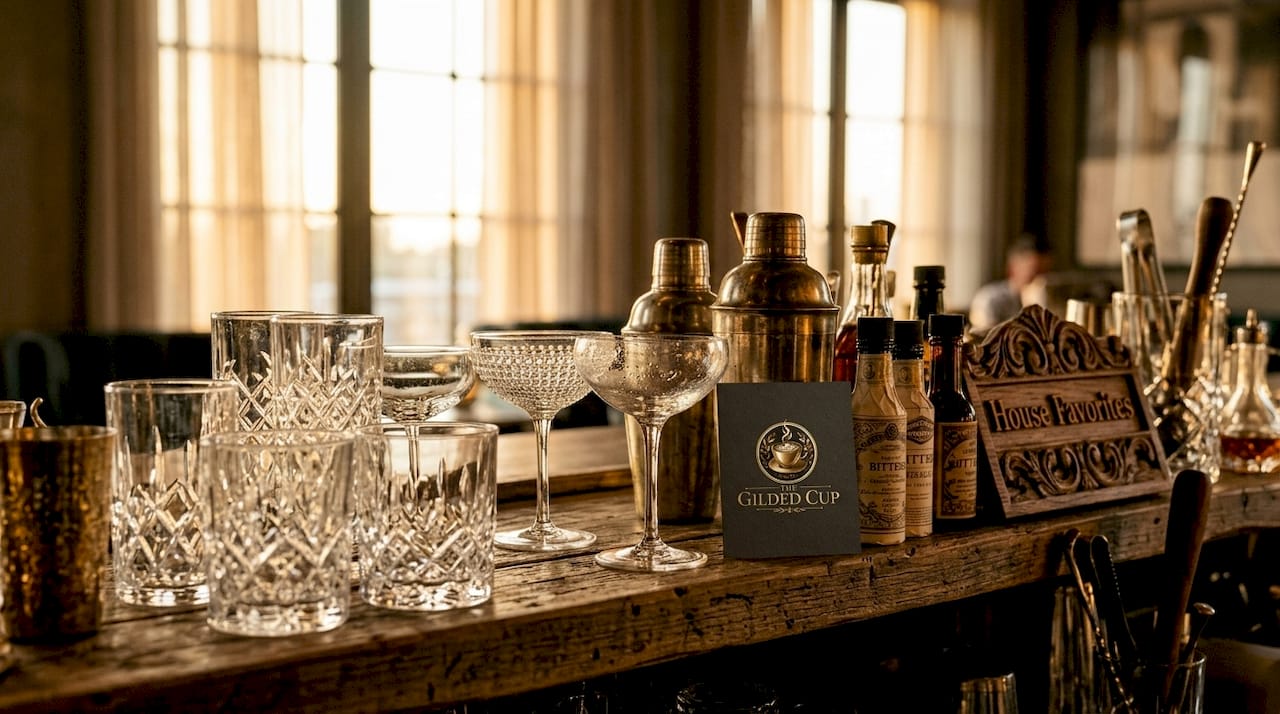
This trend works especially well in casual dining and cocktail bar contexts where guests interact closely with their drinks. A ribbed lowball on a craft cocktail menu signals care and curation. It tells the guest that someone thought about the full experience, not just what is in the glass.
The practical upside is that textured surfaces can hide minor scratches and wear better than perfectly smooth glass. For high-turnover environments, that longevity matters.
2. Large-capacity tumblers as the new standard
The old 12oz standard is being replaced at pace. Owala brand search interest jumped 60% from 2024 to 2025, and the broader market reflects a clear preference for 20oz to 40oz formats across both branded promotional drinkware and functional service vessels.
For event planners, this shift has real logistical implications. Larger vessels mean fewer refill trips, which improves perceived service quality at high-volume events. For hotels and resort pools, oversized tumblers with branded lids are becoming baseline expectations rather than upgrades.
The challenge is storage. A full inventory of 32oz tumblers takes up considerably more space than an equivalent stock of traditional glasses. Plan your storage and washing capacity before committing to a wholesale order.
3. Vintage revival: coupes, Art Deco shapes, and bespoke stemware
Leading bars are curating specific vintage-inspired vessels like coupes and bespoke glasses to convey deliberate hospitality care. Bartenders and venue operators now treat glassware choices as a form of communication. A coupe says something different than a nick-and-nora. A faceted crystal rocks glass signals a different kind of program than a generic branded tumbler.
Art Deco-inspired shapes, with their geometric lines and period detailing, are particularly well-suited to cocktail bars, boutique hotels, and private dining rooms. They photograph well, they feel special to hold, and they carry a sense of occasion that modern minimalist glassware rarely achieves.
The trade-off is fragility. Vintage styles often involve thinner walls and more elaborate stems, which increases breakage risk in high-volume settings. For fine dining and specialty cocktail programs where volume is lower and the experience premium is higher, the calculation usually works out. For casual bars running 200 covers a night, you will need to do the math carefully.
Pro Tip: Consider sourcing a smaller premium set of vintage-style coupes for a signature cocktail program while keeping a durable everyday glass for general service. Two-tier glassware programs are increasingly common in mid-to-high-end venues.
4. Functional art and statement glass shapes
Beyond aesthetics, the 2026 hospitality glassware trends push toward shapes designed for specific beverage categories. A Burgundy bowl for a natural wine program. A hand-blown mezcal copita for a spirits-forward menu. The right glass shape enhances aroma, controls temperature, and makes the drink taste noticeably better.
Venues exploring why designer glassware matters are finding that purpose-built shapes also become conversation starters. Guests notice when a glass is different and ask about it. That moment of curiosity is an opening for your staff to tell a story about your beverage program.
This trend pairs naturally with staff training. If you invest in specialized shapes, make sure your team understands why each glass exists and can communicate that clearly without making the explanation feel rehearsed.
5. Drinkware as lifestyle and wellness signal
Drinkware designs in 2026 emphasize guest wellness through ergonomic features like leak-proof lids, grip-friendly textures, and premium materials as baseline expectations. This is no longer a nice-to-have in the hospitality sector. It is a standard that guests carry with them from their personal lives and expect to see reflected in the venues they choose.
Spas, wellness resorts, and health-focused restaurants are leading this shift. Glass water bottles with infuser inserts, double-wall ceramic cups for mindful tea service, wide-mouth borosilicate vessels that photograph cleanly for guests sharing their experience online. These choices speak directly to a guest’s sense of self.
6. Reusable straw bottles with accessible cleaning designs
The operational headache of reusable straws has historically held back adoption. New products in 2026 are solving that problem directly. Innovations like targeted straw-wash systems address mold and mildew buildup in reusable drinkware, making them practical for hospitality environments where hygiene standards are non-negotiable.
For poolside service, conference catering, and outdoor events, a well-designed reusable straw bottle reduces single-use plastic waste and creates a branded touchpoint that guests often take home. That kind of residual brand presence is hard to buy through traditional marketing.
Look for designs with removable straw components and cleaning brush compatibility. If the straw is not easy to clean thoroughly between uses, it will become a liability rather than an asset.
7. Artisan and bespoke drinkware for signature identity
Bespoke and artisan glassware is moving from a luxury flourish to a deliberate brand strategy in the future of drinkware. Custom etching, hand-blown forms, and exclusive colorways are being used to create glassware that is specific to a venue’s identity and cannot be easily replicated or purchased elsewhere.
This approach carries a higher upfront cost, but it delivers something generic drinkware cannot. It makes the glass itself memorable. Guests who drink from a beautifully made, clearly intentional piece of glassware associate that quality with the venue. It becomes part of the story they tell when recommending the experience to others.
The key is working with suppliers who understand both the aesthetic goals and the operational realities of hospitality. Hand-blown crystal increases breakage and labor costs, while high-quality machine-made pulled-stem glass offers comparable aesthetics with significantly better commercial durability. You do not have to choose between beautiful and practical. You just need the right sourcing partner.
Comparing 2026 drinkware trends by venue type
| Trend | Best suited for | Durability | Maintenance level | Cost range |
|---|---|---|---|---|
| Textured and beaded glass | Cocktail bars, casual dining | High | Low to moderate | $$ |
| Large-capacity tumblers | Events, resorts, hotel F&B | Very high | Low | $ |
| Vintage revival coupes | Fine dining, boutique hotels | Moderate | Moderate | $$$ |
| Statement beverage shapes | Specialty bars, wine programs | Moderate to high | Low | $$ to $$$ |
| Lifestyle and wellness vessels | Spas, wellness resorts | High | Low | $$ |
| Reusable straw bottles | Outdoor events, conference catering | High | Moderate | $ to $$ |
| Artisan and bespoke glassware | Signature venues, private dining | Moderate | Moderate to high | $$$$ |
The hidden operational factor in this table is maintenance. A complex drinkware design requires specialized cleaning that standard dishwasher cycles cannot always handle. Before committing to any trend, walk your cleaning workflow through the new purchase. What changes? What new equipment or processes do you need?
Pro Tip: Ask your cleaning equipment supplier to test a sample piece before you order in volume. Some textured and etched designs trap mineral deposits or detergent residue in ways that only become apparent after 20 or 30 wash cycles.
How to decide on the right drinkware mix for your venue in 2026
Knowing the trends is only half the work. Making a decision that holds up operationally and financially requires a few more steps.
Start with brand alignment. Your drinkware should feel like a logical extension of your interior design, menu positioning, and price point. A craft cocktail bar with reclaimed wood and dim lighting calls for something tactile and artisan. A corporate conference hotel calls for something clean, durable, and easy to brand.
Build in operational flexibility. Multi-use vessels that work for water, juice, and cocktails reduce inventory complexity. Exploring options across bar glass categories can help you identify pieces that serve multiple service occasions without looking generic.
Here are the key questions to work through before finalizing any order:
- Does this glassware align with the service story we want to tell?
- Can our current cleaning setup handle this design at volume?
- What is the replacement cost and lead time if we experience breakage?
- Are there bespoke or customization options that would give us a competitive edge?
- Does the supplier understand hospitality use cases, not just retail aesthetics?
Budget in total cost, not unit price. A $4 glass that breaks three times a month costs more than a $12 glass that lasts two years. Factor in replacement frequency, cleaning labor, and any specialty equipment the design requires. The drinkware that looks cheapest on a purchase order often wins until operations track the real numbers.
Sourcing from suppliers with hospitality-specific expertise also matters. Retail-focused catalogs and hospitality procurement needs are different in ways that become obvious the moment a fragile decorative piece meets a commercial dishwasher.
My take on drinkware decisions for 2026
I’ve watched the hospitality industry talk about glassware as an afterthought for years, and the venues that treat it that way tend to have the same issue. They spend on everything else and then hand guests a glass that feels like it came from a restaurant supply house clearance bin.
What I’ve learned from watching the best venues operate is that tactile experience is almost always undervalued in procurement conversations. Everyone looks at photos. Almost nobody holds the glass before ordering 500 of them. That single oversight explains a significant portion of the “this just isn’t quite right” feedback that comes back after delivery.
The trend hype around vintage revival and artisan bespoke glass is real, but it can mislead. I’ve seen venues invest in hand-blown crystal coupes for a program that does 300 covers on a Saturday night. The breakage cost was brutal. The aesthetics were gorgeous in photos and painful in the weekly P&L. Machine-made pulled-stem alternatives exist that get you 90% of the visual impact at a fraction of the replacement cost. That is the calculation most procurement guides skip.
The shift toward drinkware as lifestyle and wellness signal is not trend noise. It reflects a real change in what guests carry into your venue as baseline expectations. They drink from beautiful, intentional vessels at home now. They notice when you haven’t matched that standard.
My honest recommendation: pick one or two trends that genuinely fit your venue identity and do them well. A focused investment in beaded tumblers or a signature coupe for your cocktail menu will do more for guest perception than a scattered attempt to incorporate every 2026 trend at once.
— Sharbel
Upgrade your venue with Thegildedcup’s 2026 drinkware selection
Choosing the right glassware for 2026 means finding a source that understands both the aesthetic direction and the operational demands of hospitality environments. Thegildedcup curates a selection of luxury drinkware collections built for exactly this intersection. From artisan textured tumblers to vintage-inspired stemware and bespoke options suited for signature programs, the inventory is designed for hospitality managers and event planners who want premium without guesswork.
Thegildedcup also carries pieces aligned with the 2026 barware trends shaping both home bar culture and commercial hospitality. Whether you are refreshing a full venue lineup or sourcing a statement set for a high-profile event, the catalog gives you options across every price tier with detailed product information to support confident procurement decisions. Explore the full collection at Thegildedcup and find glassware that earns its place on your tables.
FAQ
What are the top hospitality drinkware trends for 2026?
The leading trends include textured and beaded glassware, large-capacity tumblers in the 20oz to 40oz range, vintage-inspired coupes and stemware, purpose-built beverage shapes, and artisan bespoke designs. Each trend serves a different venue type and service style.
How do I choose between artisan and commercial drinkware?
Consider your weekly cover count and replacement budget. Hand-blown artisan pieces create a strong aesthetic impression but carry higher breakage costs. High-quality machine-made glass with premium finishes offers similar visual appeal with significantly better durability for high-volume service.
What materials are leading sustainable hospitality drinkware in 2026?
Tritan copolyester and BPA-free materials are the primary shift driven by new EU regulations. For glass-based options, durable borosilicate and commercial dishwasher-rated crystal alternatives are the standard choice for venues prioritizing both compliance and longevity.
Why does tactile design matter in hospitality glassware?
Physical interaction with a glass, including its weight, rim texture, and grip, directly affects how guests perceive the quality of their experience. Research confirms that tactile feel is as important as visual appeal in generating guest satisfaction and repeat visits.
What hidden costs should I plan for when buying new drinkware?
Beyond unit price, factor in breakage frequency, replacement lead times, cleaning complexity, and any specialized equipment certain designs require. Drinkware with intricate textures or straw components often demands longer wash cycles or dedicated cleaning tools to maintain proper hygiene standards.