

Glassware's Role in Lifestyle Branding: 2026 Guide
The role of glassware in lifestyle branding is to transform a simple vessel into a physical expression of a brand’s values, identity, and emotional promise. Glassware is not packaging. It is a communication tool. Kopparberg’s December 2025 redesign of its signature glass, the first in over a decade, demonstrates exactly how seriously major brands treat glass as a long-term brand asset. The redesign was built around the concept of the “perfect serve,” reinforcing identity across millions of hospitality touchpoints. For marketing professionals and entrepreneurs in luxury consumer markets, understanding how glass shape, weight, color, and finish influence perception is no longer optional. It is a strategic requirement.
How does glassware shape consumer brand perception?
Glass signals higher perceived quality and brand trust compared to plastic, and that gap shows up directly in emotional connection to the brand experience. Brands transitioning from plastic to glass report measurable shifts in how customers feel about the product before they even take a sip. The material itself does the first round of persuasion.
Practitioners describe this through the “emotional container” concept. Customers evaluate glassware through rituals enabled by glass weight, the sound of ice hitting the sides, and the feel of the rim, not through technical specifications. A heavier glass communicates craftsmanship. A thin, precisely cut rim communicates refinement. Neither message requires a single word of copy.
The multisensory nature of glass also drives organic marketing. Custom glassware with distinctive shapes, finishes, or engravings creates shareable moments in hospitality settings and home environments. A beautifully designed glass placed on a table at a boutique hotel or a curated home bar generates social proof through organic sharing on Instagram and TikTok far more naturally than a branded plastic cup ever could.
- Weight and balance communicate quality before the product is tasted
- Rim thickness signals precision and manufacturing investment
- Surface finish (matte, frosted, polished) aligns with specific lifestyle aesthetics
- Transparency vs. opacity affects how a brand is perceived as open or exclusive
Pro Tip: When briefing a glassware manufacturer, specify the target hand-feel weight in grams alongside visual specs. A glass that looks premium but feels light will undercut the brand story before the drink is poured.
What design elements build a coherent brand identity through glass?
Glassware design functions as a visual language. Color in glassware design is one of the most direct tools brands have to evoke lifestyle emotions and cultural values. Amber tones carry nostalgia and warmth, making them a natural fit for heritage spirits brands. Cool blues and greens align with wellness and hydration brands. Matte finishes read as modern and editorial. Each choice positions the brand within a specific lifestyle context without a single word of explanation.
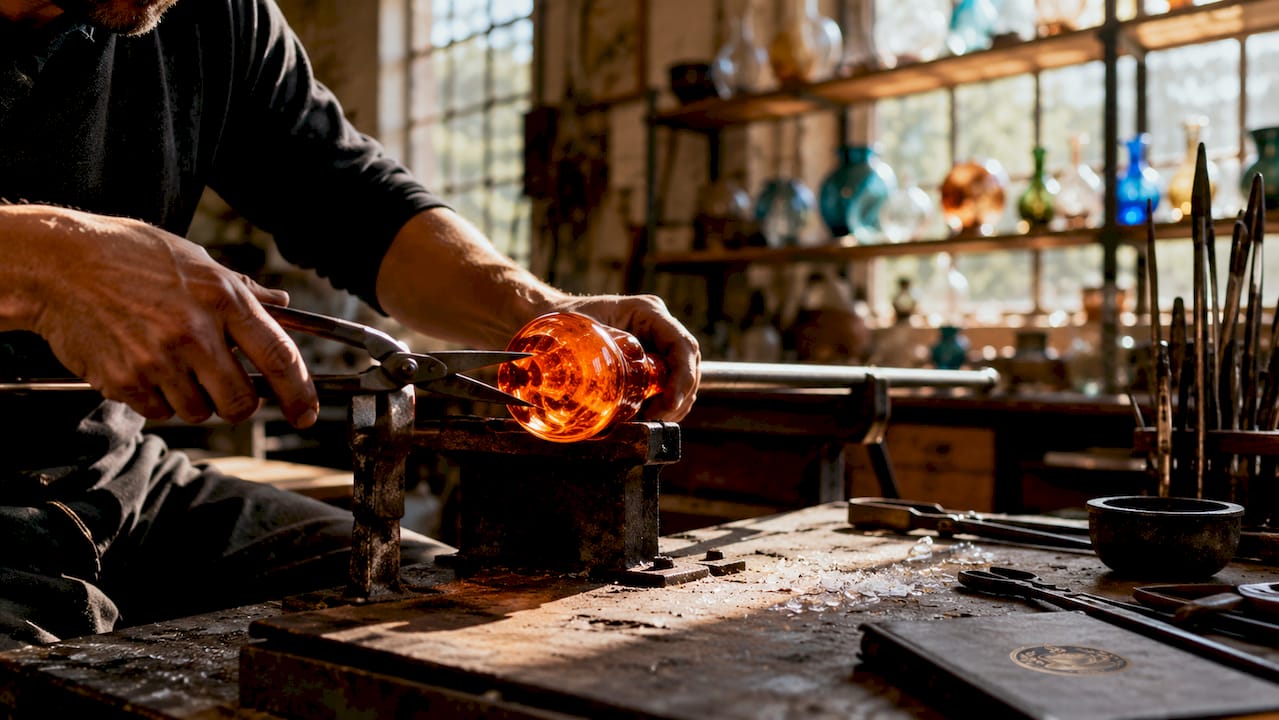
Signature shapes and tactile details function as brand signifiers in the same way a logo does. Govino’s patented thumb notch design repositions the brand as lifestyle-oriented rather than commodity, commanding consumer preference even against lower-priced competitors. That single physical detail communicates ergonomic thoughtfulness and brand confidence. It is intellectual property expressed in glass.
The table below shows how specific design choices map to brand positioning in luxury lifestyle markets.
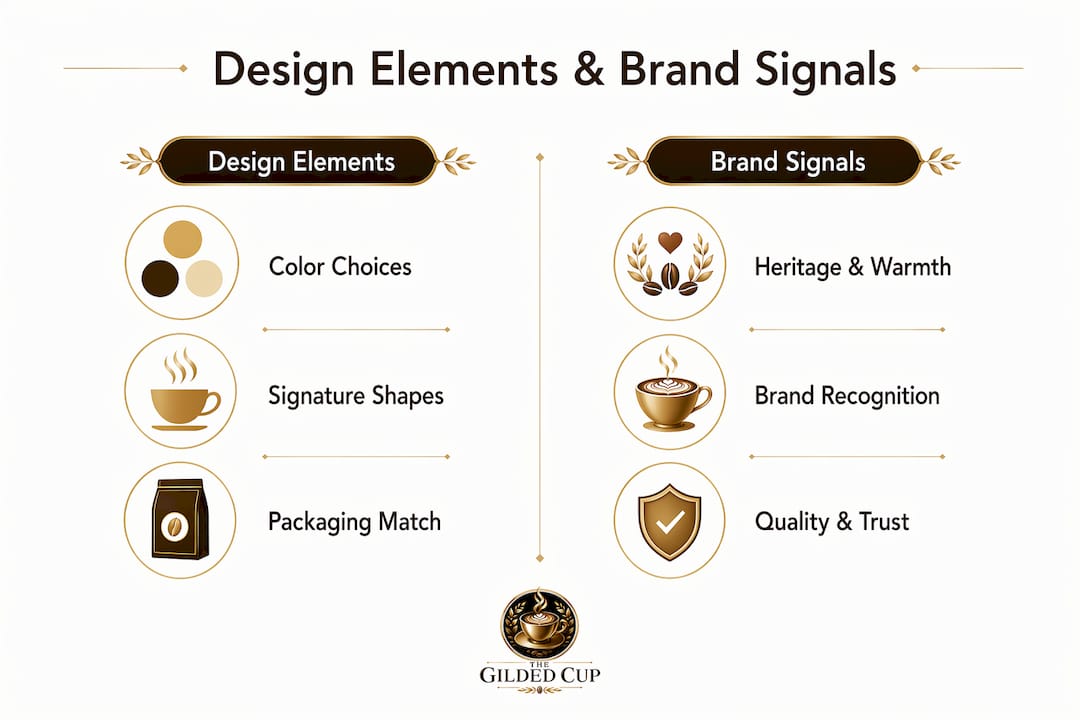
| Design Element | Brand Signal | Lifestyle Category |
|---|---|---|
| Amber or smoked glass | Heritage, warmth, nostalgia | Whiskey, craft spirits |
| Matte or frosted finish | Modern, editorial, restrained | Wellness, premium water |
| Heavy base, thin rim | Craftsmanship, precision | Fine dining, luxury hospitality |
| Unique thumb notch or grip | Ergonomic innovation, confidence | Outdoor lifestyle, premium casual |
| Etched or engraved logo | Exclusivity, permanence | Collectible, gifting, events |
Packaging integration is the step most brands miss. Coherent brand identity systems combine graphic and physical design elements into a single sensory narrative. The unboxing experience, the tissue paper, the box weight, the glass nestled inside, all of it must match the graphic intensity of the glass itself. A premium glass delivered in a flimsy box breaks the brand promise at the moment of highest emotional impact.
Pro Tip: Match the graphic weight of your packaging to the physical weight of your glass. A heavy, etched glass in a lightweight box creates cognitive dissonance that erodes perceived value before the product is even used.
How can glassware become an experiential marketing asset?
Glassware is evolving from functional utility into a form of experiential marketing, becoming a critical medium for conveying brand narratives and values. This shift matters most in hospitality, retail gifting, and direct-to-consumer luxury markets, where the physical touchpoint is often the most memorable part of the customer experience.
Here are four practical ways brands use glassware as an experiential asset:
- Custom engravings and etched logos transform generic vessels into ownable brand assets. A glass etched with a brand mark in a hotel bar or restaurant becomes a silent ambassador, reinforcing identity with every serve and generating organic social content when guests photograph their drinks.
- Limited edition seasonal designs create urgency and collectibility. Releasing a new glass shape or color palette tied to a season or campaign gives loyal customers a reason to engage repeatedly and positions the brand within a living, evolving lifestyle narrative.
- Gifting and unboxing programs use glassware as a loyalty tool. A branded glass set sent to a top-tier client or influencer carries far more perceived value than a digital gift card. The physical object stays in the home, continuing to communicate the brand long after the initial interaction.
- Hospitality partnerships place branded glassware in front of new audiences at scale. When a premium spirits brand supplies custom glasses to a network of boutique bars, every serve is a brand impression delivered in the most credible possible context.
The designer glassware serving experience amplifies these moments further. The glass becomes part of the ritual, not just the container for it. That distinction is what separates commodity drinkware from a genuine brand asset.
Does investing in luxury custom glassware justify the cost?
Luxury glassware functions as a tangible expression of brand craftsmanship, directly influencing customer perception and competitive brand positioning. The cost argument against custom glass misses the point entirely. The question is not what the glass costs to produce. The question is what the glass communicates at every touchpoint.
Custom glassware acts as intellectual property. A signature shape or finish that becomes associated with a brand creates a visual and tactile shorthand that no competitor can replicate without obvious imitation. That is a durable competitive advantage built into the product itself. Distinctive glassware transforms generic vessels into ownable brand assets in saturated markets, and that ownership compounds over time as recognition builds.
The table below compares the brand impact of standard versus custom glassware across key dimensions.
| Dimension | Standard Glassware | Custom Luxury Glassware |
|---|---|---|
| Brand recognition | Low, interchangeable | High, immediately ownable |
| Perceived product value | Neutral | Elevated before first use |
| Social media shareability | Minimal | High, especially in hospitality |
| Customer loyalty signal | Absent | Strong, especially in gifting |
| Competitive differentiation | None | Durable, hard to replicate |
Brands that have repositioned through signature glass design include Kopparberg, whose 2025 glass redesign was built explicitly around long-term branding value across retail and hospitality. The investment was not in aesthetics alone. It was in the compounding brand equity that comes from millions of serves in a glass that is unmistakably theirs. For luxury and lifestyle brands, the bespoke drinkware approach delivers exactly that kind of durable differentiation.
Tracking hospitality drinkware trends also helps brands time their glass investments to align with emerging lifestyle aesthetics before competitors catch up.
Key takeaways
Glassware is a brand communication tool that shapes emotional perception, signals quality, and creates durable competitive differentiation across every consumer touchpoint.
| Point | Details |
|---|---|
| Glass outperforms plastic on perception | Brands switching to glass see measurable shifts in emotional brand connection and perceived quality. |
| Design details are brand signals | Weight, rim thickness, color, and finish each communicate specific lifestyle values without copy. |
| Signature shapes create IP | Unique tactile details like Govino’s thumb notch become ownable brand assets that competitors cannot replicate. |
| Packaging coherence is non-negotiable | The unboxing experience must match the physical quality of the glass to protect perceived brand value. |
| Custom glass compounds brand equity | Every serve in a signature glass is a brand impression that builds recognition and loyalty over time. |
Why most brands still get glassware wrong
Most brands treat glassware as a procurement decision. They specify a volume, a basic shape, and a logo placement, then move on. That approach wastes one of the most powerful physical brand assets available in luxury consumer markets.
What I have seen consistently is that the brands winning on lifestyle identity treat the glass as a creative brief, not a supply chain item. They ask what the glass should feel like in the hand at 11 p.m. in a candlelit bar. They ask what sound the base should make on a marble countertop. Those are not frivolous questions. They are the questions that produce the sensory details customers remember and photograph and talk about.
The other mistake I see is treating glassware as a one-time decision. Lifestyle aesthetics shift. The amber glass that read as heritage in 2022 may read as dated by 2027. Brands that build a process for evolving their glass design alongside their broader lifestyle positioning will always outpace those that treat it as a fixed asset. Kopparberg’s willingness to redesign after a decade is the exception. It should be the standard.
The brands I respect most in this space treat their glass the way a fashion house treats a signature silhouette. It is recognizable, it evolves deliberately, and it is never accidental.
— Sharbel
How Thegildedcup supports lifestyle branding with premium glass
Thegildedcup specializes in luxury and collectible glassware designed for brands that understand the difference between a vessel and a brand asset. Whether you are building a custom gifting program, outfitting a hospitality venue, or developing a signature glass for a product launch, Thegildedcup brings the curatorial expertise and product range to match your brand’s positioning.
The platform’s catalog spans fine drinkware, ceramics, and collectible glass with options for customization and special editions. Every product is selected for craftsmanship, visual impact, and lifestyle alignment. If your brand is ready to treat glassware as the strategic asset it is, explore the full collection at Thegildedcup and find the glass that tells your brand’s story.
FAQ
What is the role of glassware in lifestyle branding?
Glassware in lifestyle branding functions as a physical brand communication tool, conveying quality, craftsmanship, and identity through weight, shape, color, and finish before a product is ever consumed.
How does glass differ from plastic in brand perception?
Brands transitioning from plastic to glass report measurable shifts toward stronger emotional brand connections, as glass signals higher quality and care at the point of experience.
What design elements make glassware a brand asset?
Signature details like unique shapes, rim thickness, matte finishes, and etched logos create tactile brand signifiers that are ownable, recognizable, and difficult for competitors to replicate.
How does custom glassware support experiential marketing?
Custom glassware creates shareable brand moments in hospitality and gifting contexts, acting as a silent ambassador that generates organic social content and reinforces brand identity at scale.
Why do luxury brands invest in custom glass design?
Custom glass design builds durable competitive differentiation by embedding brand identity into a physical object that communicates exclusivity and craftsmanship at every consumer touchpoint.