

Features of Premium Ceramics: What Sets Them Apart
Premium ceramics are defined by engineered durability, food-safe glaze chemistry, high-temperature firing, and material precision that together produce performance and beauty far beyond standard tableware. Whether you are building a curated home collection, upgrading your dining table, or investing in artisan pieces, understanding what separates a truly premium ceramic from an ordinary one changes how you shop and what you keep. The features of premium ceramics span both technical and aesthetic dimensions, and the best pieces deliver on both simultaneously. This guide breaks down each defining characteristic so you can recognize quality the moment you hold a piece in your hands.
1. Engineered performance features in premium ceramics
Premium ceramics are built from high-purity inorganic materials processed under precise conditions to achieve functional performance that decoration-grade ceramics simply cannot match. The result is a material that exceeds steel in hardness, resists chemical attack, and maintains structural integrity under thermal stress. These are not incidental benefits. They are engineered outcomes.
The core performance properties that classify a ceramic as premium include:
- Hardness and wear resistance: Premium ceramics resist scratching and surface degradation far longer than standard glazed earthenware.
- Thermal stability: High-quality ceramics withstand extreme temperature shifts without warping or cracking, making them reliable for both oven and freezer use.
- Electrical insulation: A property more relevant to technical ceramics, but it signals the purity of the base material.
- Chemical inertness: Premium ceramics do not react with acids, alkalis, or food compounds, which directly supports food safety.
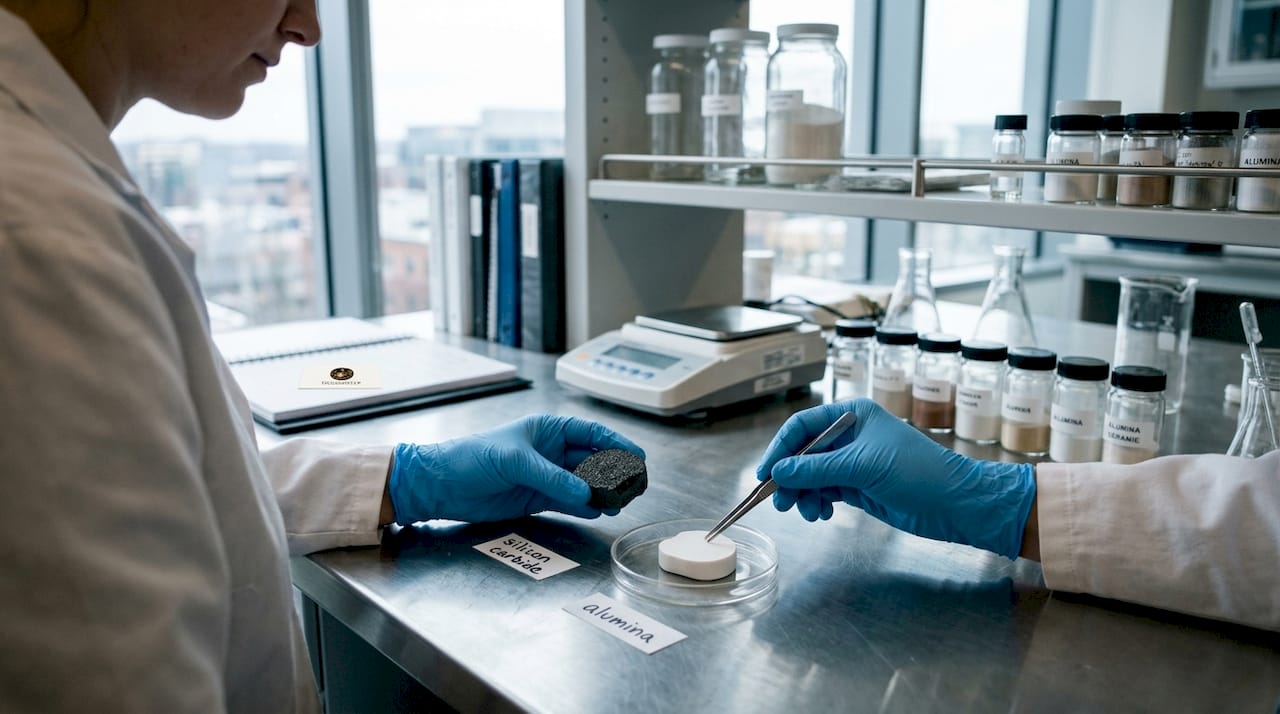
Materials like silicon carbide and alumina are the backbone of the highest-performing ceramic products. Silicon carbide reaches approximately 94 HRA on the Rockwell hardness scale and delivers thermal conductivity near 80 W/mK with minimal thermal expansion. That combination of hardness and heat management is what makes premium ceramics so durable under real-world conditions.
Pro Tip: When evaluating a ceramic piece for durability, look for descriptions of the firing cone and base material. Pieces fired at cone 9 or above, made from alumina or porcelain, will consistently outperform lower-fired alternatives.
2. How food safety shapes the quality of premium ceramics
Food safety is not a bonus feature in premium tableware. It is a baseline requirement, and the chemistry behind it is more specific than most consumers realize. The FDA sets limits for lead at 0.5 mg/L and cadmium at 0.25 mg/L in ceramicware, tested under ASTM C738 standards using 4% acetic acid at room temperature for 24 hours. That testing protocol simulates real food contact conditions, and premium ceramics pass it with margin to spare.
Here is how glaze chemistry and firing technique determine whether a ceramic is safe:
- Low-fire glazes (cone 06 to cone 1): These fire between roughly 999°C and 1137°C. The glass network formed is looser, which increases the risk of metal leaching over time, especially with acidic foods.
- Mid-fire glazes (cone 2 to cone 6): Firing between approximately 1165°C and 1222°C produces a more stable surface, but vitrification of the clay body is not always complete.
- High-fire glazes (cone 9 to cone 10): Firing at 1260°C to 1305°C produces the tightest glass network, the least porous surface, and the most chemically stable result. This is the standard for premium functional ceramics.
Vitrification of the clay body matters as much as the glaze. When clay is fully vitrified, it becomes non-porous and cannot absorb liquids, bacteria, or contaminants. Underfired ceramics, regardless of how attractive the glaze looks, carry real contamination risk over time. Premium ceramics solve this by treating food safety as an engineering problem, not an afterthought.
3. Finishing and aesthetic variation as premium features
The surface of a premium ceramic tells you more about its quality than its price tag does. High-value porcelain surfaces carry natural veining, chromatic variation, and engineered slip-resistance coefficients such as DIN 51130 ratings of R9 or R10. These are not flaws. They are evidence of controlled, high-quality production.
“Surface finish imperfections or tonal shifts in premium ceramics signal handcrafted quality, enhancing perceived exclusivity rather than diminishing value.”
Small-batch artisanal production creates what industry insiders call controlled unpredictability. Each piece fired in a small kiln load experiences slightly different heat distribution, which produces subtle glaze shifts and tonal variations. Collaborations like Roman and Williams x Sotheby’s treat these handcrafted nuances as a premium feature, not a quality control problem. The Risou Nishiki Kinrande plate, for example, celebrates the natural movement of gold and glaze as part of its identity.
Mass-produced ceramics aim for uniformity because their manufacturing process demands it. Premium ceramics aim for consistency within a range, which is a fundamentally different standard. When you see two pieces from the same artisan collection that are almost but not quite identical, that is the mark of genuine craft. For collectors and home decorators alike, that distinction matters enormously.
Pro Tip: If you are building a curated collection, embrace tonal variation between pieces from the same series. It signals authenticity. Perfectly identical pieces from a “premium” line are more likely machine-produced than hand-finished.
4. Material selection and its impact on premium ceramic performance
The material a ceramic is made from determines its performance ceiling. Four materials dominate the premium and technical ceramic space, and each serves a different purpose.
| Material | Hardness | Key Strength | Trade-off |
|---|---|---|---|
| Alumina (Al₂O₃) | Very high | Chemical resistance, wear resistance | Moderate fracture toughness |
| Zirconia (ZrO₂) | High | Fracture toughness, thermal insulation | Lower hardness than alumina |
| Zirconia Toughened Alumina (ZTA) | Very high | Combines hardness and toughness | Higher production cost |
| Silicon Carbide (SiC) | Exceptional (~94 HRA) | Thermal conductivity, abrasion resistance | Brittle under impact |
Zirconia toughened alumina represents the best of both worlds for functional tableware and decorative pieces. It captures alumina’s hardness while borrowing zirconia’s resistance to fracture, which is the brittleness problem that limits pure technical ceramics in consumer settings. Material tradeoffs in technical ceramics mean that extreme hardness often comes with brittleness, so application-specific balance is critical.
For the consumer, this translates directly. A zirconia-based ceramic mug resists chipping far better than an earthenware equivalent. An alumina-reinforced plate holds its surface finish through years of dishwasher cycles. Knowing the base material of a piece tells you what to expect from it over a decade of use, not just the first year.
5. How premium manufacturing processes define ceramic quality
A premium ceramic is not a single material. It is a system. The clay body, glaze chemistry, firing profile, and cooling rate must all work together, and misalignment at any stage produces defects that compromise both safety and longevity. Crazing, the fine surface cracking that appears on glazed ceramics, is caused by a mismatch between the thermal expansion coefficients of the glaze and the clay body. It can appear months after production, which means a piece can look perfect at purchase and develop problems later.
The manufacturing steps that separate premium from standard production are:
- Precision clay body formulation: The clay is engineered for a specific firing range and matched to the intended glaze.
- Controlled glaze application: Glaze thickness must be consistent. Too thin and the surface is porous; too thick and it crawls or peels during firing.
- Kiln firing with precise temperature curves: Premium kilns follow programmed heating and cooling profiles measured in degrees per hour, not rough estimates.
- Controlled cooling: Rapid cooling causes thermal shock. Slow, controlled cooling locks in the glaze-body bond and prevents stress fractures.
- Third-party leachability testing: Reputable premium producers submit finished pieces to independent labs for ASTM C738 testing before products reach consumers.
The firing atmosphere inside the kiln also affects the final result. Oxidation firing produces bright, consistent colors. Reduction firing, where oxygen is limited, creates the rich, complex surface effects prized in artisan stoneware. Both are legitimate premium techniques, but they require different glaze formulations to succeed. Premium ceramics offer superior scratch resistance and thermal stability precisely because these manufacturing variables are controlled, not left to chance.
Key takeaways
Premium ceramics deliver lasting value because engineered material quality, food-safe glaze chemistry, and precision manufacturing work together to produce pieces that perform and age better than standard alternatives.
| Point | Details |
|---|---|
| Engineered performance | Silicon carbide and alumina deliver hardness and thermal stability that standard ceramics cannot match. |
| Food safety compliance | FDA limits under ASTM C738 require glazes to pass leachability testing before use in functional tableware. |
| High-fire glazing | Cone 9 to 10 firing produces the tightest glass network, reducing metal leaching and increasing surface durability. |
| Artisanal variation | Tonal shifts and glaze nuances in small-batch pieces signal authenticity, not defects. |
| System manufacturing | Matching clay body and glaze thermal expansion prevents crazing and ensures long-term structural integrity. |
Why these features matter more than most buyers realize
I have handled a lot of ceramics over the years, from mass-market tableware to small-batch artisan pieces that took months to source. The single biggest misconception I encounter is that premium means expensive and fragile. It is actually the opposite. The pieces I reach for every day are the ones that have survived years of use without a chip, a crack, or a glaze that has gone dull.
What changed my perspective was learning about firing temperatures. Once you understand that a cone 10 stoneware mug has a fundamentally different surface structure than a cone 06 earthenware piece, you stop treating all ceramics as interchangeable. The high-fire piece is not just prettier. It is safer, harder, and more resistant to the acids in coffee and wine over time.
The aesthetic variation argument took me longer to accept. I used to see tonal inconsistency as a quality control issue. Now I see it as the opposite. When I look at a limited edition ceramic piece and notice that the glaze has pooled slightly differently on one side, I know a human being made that decision, or at least a kiln did something unpredictable and the maker accepted the result. That is not a defect. That is a document of the making process.
My honest advice: prioritize food safety compliance and firing temperature first, then let aesthetics guide the rest. A beautiful piece that leaches cadmium is not a premium ceramic. It is a liability.
— Sharbel
Discover premium ceramics curated for your home and table
Thegildedcup brings together artisan-crafted and high-quality functional ceramics selected for both their beauty and their build. Every piece in the collection meets the standards this article describes: high-fire glazing, food-safe materials, and the kind of surface finish that improves with age rather than degrading under use. If you are looking to explore artisan drinkware craftsmanship or find a piece that anchors your dining table or display shelf, Thegildedcup is the place to start. Browse the full collection at thegildedcup.co and find ceramics that are built to last and designed to be noticed.
FAQ
What makes a ceramic “premium” vs. standard?
Premium ceramics are distinguished by high-purity base materials, high-fire glaze processing at cone 9 or above, and food-safe compliance under ASTM C738 testing. Standard ceramics typically use lower-fire techniques that produce more porous, less durable surfaces.
Are premium ceramics dishwasher safe?
Most premium ceramics fired at cone 9 to 10 are dishwasher safe because the fully vitrified clay body and tight glaze network resist water absorption and thermal cycling. Always confirm the manufacturer’s firing specifications before repeated machine washing.
How do I know if a ceramic glaze is food safe?
A food-safe glaze meets FDA limits of 0.5 mg/L for lead and 0.25 mg/L for cadmium under ASTM C738 leachability testing. Reputable premium producers provide third-party test documentation or explicitly state compliance on their product listings.
Why do premium ceramics have slight color variations between pieces?
Small-batch artisan production exposes each piece to slightly different heat distribution inside the kiln, producing natural tonal and glaze shifts. These variations are a mark of handcrafted quality and are considered a premium feature, not a manufacturing defect.
What is the most durable material in premium ceramics?
Zirconia toughened alumina combines the hardness of alumina with the fracture toughness of zirconia, making it the most balanced choice for functional premium ceramics. Silicon carbide offers exceptional hardness near 94 HRA but is more brittle under impact, making it better suited to technical applications than everyday tableware.