

Different Types of Wine Glasses: 2026 Enthusiast's Guide
Wine glass shape is a sensory tool, not decoration. The bowl geometry, rim diameter, and stem length of a glass directly control how aroma reaches your nose, how wine contacts your palate, and how quickly it oxidizes. Brands like Riedel and Zalto have built entire product lines around this principle, engineering each glass to amplify specific varietal characteristics. Understanding the different types of wine glasses gives you a measurable advantage at the table, whether you are pouring a weeknight Sauvignon Blanc or opening a collector-grade Burgundy. This guide covers every major glass type, from the four core styles that handle most situations to the specialized shapes that refine the experience further.
1. Different types of wine glasses: the four core styles
Four essential home bar glasses are the Bordeaux, Burgundy, standard white, and tulip for sparkling wines. These four shapes cover bold reds, delicate reds, crisp whites, and sparkling wines with enough precision to satisfy most tasters. Owning just these styles means you are equipped for nearly every bottle you open.
The Bordeaux glass is tall with a wide bowl and a slightly tapered rim. That height gives Cabernet Sauvignon and Merlot room to breathe, directing wine to the back of the palate where tannins register as structure rather than harshness. The wide bowl accelerates aeration without a decanter.
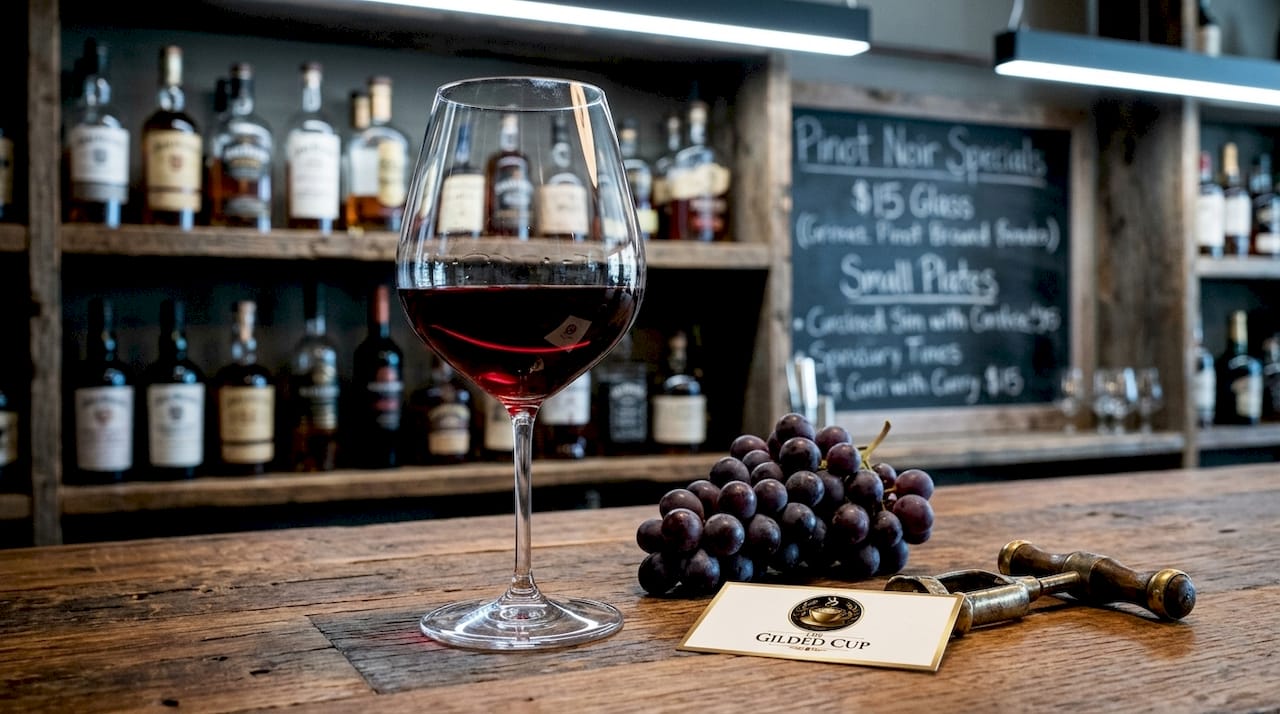
The Burgundy glass has a wider, rounder bowl that narrows sharply at the rim. Pinot Noir releases its volatile aromatics quickly, and that wide surface area captures them before they dissipate. The narrow rim then funnels concentration directly to the nose. This shape also works well for Nebbiolo and other aromatic reds.
The standard white wine glass is smaller and more upright than a red glass, which preserves the cooler temperature of whites and concentrates floral and citrus notes. Sauvignon Blanc, Riesling, and Pinot Grigio all perform well in this format.
The tulip glass for sparkling wines is the shape sommeliers now prefer over the traditional flute. Tulip glasses retain aroma far better than flutes, which restrict the aromatic expression of premium Champagne and Cava. The flute’s narrow opening was designed to showcase bubbles, not flavor.
Pro Tip: Owning just a large red and a standard white covers 90% of tasting needs. Add a Burgundy glass and a tulip to complete a practical four-piece set that handles nearly every wine style.
2. Specialized wine glass types for enthusiasts and collectors
Beyond the core four, wine glass types explained for enthusiasts include shapes tuned to specific varietals and production styles. These are not redundant purchases. Each one addresses a genuine sensory gap that a general glass leaves open.
The Chardonnay glass sits between a standard white glass and a Burgundy bowl in size. Oaked Chardonnay benefits from a wider opening that softens the perception of butter and vanilla, while unoaked styles show better in a narrower format. Many collectors own both.
Rosé glasses combine a slightly flared rim with a medium bowl. The flare directs wine to the tip of the tongue, where sweetness registers first, which suits the fruit-forward profile of most rosés. Some producers, particularly in Provence, now design their bottles to pair with specific glass shapes.
Dessert and fortified wine glasses are small by design. Port and Sherry are high in alcohol and residual sugar, so a smaller bowl limits the vapor concentration reaching the nose. A standard 3-ounce pour in a 6-ounce glass delivers the right balance of aroma and restraint.
Here are additional specialized glass types worth knowing:
- Digestif and vermouth glasses: Small, slightly tulip-shaped to concentrate herbal and botanical notes
- Coupe glasses: Historically used for Champagne, now favored for cocktails and sparkling rosé presentations
- ISO tasting glasses: Standardized by the International Organization for Standardization, used in professional blind tastings for neutral comparison
- Grappa glasses: Narrow chimney shape that channels high-proof spirits without overwhelming the nose
Stemmed vs stemless glasses is a practical debate worth settling. Stemless glasses are durable, casual, and easier to store. The tradeoff is real: your hand warms the bowl, raising the temperature of white wines and sparkling wines noticeably within minutes. For reds served at room temperature, stemless works fine. For anything chilled, a stem matters.
Mouth-blown glasses like Zalto are ultra-thin and lightweight, with no visible mold seams. Machine-made glasses are thicker and more uniform. The difference is tactile and aesthetic, not purely functional, but collectors notice it immediately.
3. How glass design affects what you taste
Bowl shape manages aroma, temperature, and palate placement, which means every geometric decision in a glass has a sensory consequence. This is not marketing language. It is fluid dynamics applied to a 6-ounce pour.
The table below compares the major glass types by their key design features and functional outcomes.
| Glass type | Bowl size | Rim shape | Best for | Key benefit |
|---|---|---|---|---|
| Bordeaux | Large, tall | Slightly tapered | Cabernet, Merlot | Aeration, tannin softening |
| Burgundy | Wide, round | Narrow | Pinot Noir, Nebbiolo | Aroma concentration |
| Standard white | Medium, upright | Straight | Sauvignon Blanc, Riesling | Temperature retention |
| Tulip (sparkling) | Medium, tapered | Flared | Champagne, Cava, Prosecco | Aroma plus effervescence |
| Dessert/Port | Small | Narrow | Port, Sherry, Madeira | Alcohol vapor control |
| Paris goblet | Medium, round | Open | General use, events | Durability, stackability |
Paris goblets are inexpensive and stackable, making them the default choice for large events and casual service. They perform adequately for everyday drinking but lack the varietal tuning that enhances a serious tasting.
Pro Tip: Store glasses by alternating upright and inverted positions. Alternating orientation increases cabinet capacity by roughly 30%, though delicate rims like flutes should always stay upright to prevent chipping.
4. Stemmed vs stemless wine glasses: which actually matters
The stemmed vs stemless debate is the most common question in glassware for wine tasting, and the answer depends entirely on what you are drinking. Stemless glasses have genuine advantages: they are harder to knock over, fit in standard dishwashers without the anxiety of snapping a stem, and stack more efficiently in a cabinet. Brands like Riedel and Schott Zwiesel both offer stemless lines that use the same bowl geometries as their stemmed counterparts.
The temperature issue is real and measurable. A white wine served at 45°F will rise several degrees within five minutes of hand contact on a stemless bowl. For a casual red served at 65°F, that warming effect is negligible. The practical rule: use stemmed glasses for whites, sparkling wines, and any wine you want to keep cool. Use stemless for reds at casual gatherings where durability matters more than precision.
Modern hospitality trends favor shorter stems and wider bases, creating a silhouette that feels contemporary without abandoning the stem entirely. This design compromise is showing up in upscale restaurants and home bars in 2026, offering stability without the full temperature transfer of a stemless format.
5. Choosing wine glasses for different occasions
Selecting the right glass is not only about wine variety. Occasion, environment, and budget all shape the decision. Here is how to think through each scenario:
- Casual home use: A four-piece set covering Bordeaux, Burgundy, standard white, and tulip handles every situation. Riedel’s Overture series and Schott Zwiesel’s Tritan line offer machine-made durability at accessible price points.
- Outdoor entertaining: Plastic KALLSINNIG glasses are dishwasher-safe and hold 11 ounces, making them practical for picnics and barbecues. They are sensitive to sun fading over time, so store them indoors between uses.
- Collector and tasting settings: Zalto’s Denk’Art series and Riedel’s Sommeliers line are the benchmark choices. Both use mouth-blown crystal with ultra-thin walls that enhance tactile pleasure and aroma delivery. These glasses reward careful hand-washing and proper storage.
- Gifting: A matched set of Burgundy and Bordeaux glasses in a presentation box is the most universally appreciated wine gift. Pair them with a quality decanter for a complete service set.
- Hospitality and events: Paris goblets or durable tulip-shaped glasses in tempered glass cover large-format service without the replacement cost of fine crystal.
For collectors building a home bar, the affluent collector’s guide at Thegildedcup covers which glass types deliver the most value per pour. The principle is consistent: buy fewer shapes, but buy them well. A single excellent Burgundy glass outperforms a cabinet full of mediocre generalists.
The trend in 2026 is toward designer glassware that functions as both a tasting tool and a table statement. Collectors are choosing glasses with distinctive silhouettes that signal intention without sacrificing the sensory engineering that makes a great glass worth owning.
Key takeaways
The most effective approach to wine glass selection is to master four core shapes first, then add specialized types as your wine range expands.
| Point | Details |
|---|---|
| Four core glasses cover most needs | Bordeaux, Burgundy, standard white, and tulip handle 90% of wine tasting situations. |
| Bowl shape drives sensory outcome | Rim diameter, bowl width, and stem length each affect aroma, temperature, and palate contact. |
| Stemless suits reds, not whites | Hand warmth raises white wine temperature quickly; use stemmed glasses for anything chilled. |
| Collector glasses are mouth-blown | Zalto and Riedel Sommeliers use ultra-thin crystal that improves tactile and aromatic experience. |
| Storage technique saves space | Alternating glass orientation in cabinets increases capacity by roughly 30% without risking damage to sturdy rims. |
Why I stopped buying “universal” wine glasses
I spent years defaulting to one all-purpose glass for everything, convinced that the difference between a Bordeaux glass and a Burgundy glass was a marketing story. It is not. The first time I poured the same Pinot Noir into both side by side, the Burgundy glass made the wine smell like a different bottle entirely. The wide bowl released aromatics that the taller glass simply trapped.
That said, I think the collector world overcorrects. Owning 12 different varietal-specific glasses creates storage problems and anxiety about breakage that actively reduces how much you enjoy drinking. My honest recommendation is to own four excellent glasses rather than twelve mediocre ones. Zalto’s Denk’Art Universal is the one glass I would keep if I could only keep one. It performs across reds, whites, and sparkling wines with enough precision to satisfy a serious taster.
The stemless debate is also more nuanced than most guides admit. I use stemless Riedel glasses for every red I open at home. The casual grip, the stability on the table, and the dishwasher compatibility make the experience more relaxed. For Champagne and aged whites, I always reach for a stemmed tulip. Temperature control is not optional there.
The barware trends in 2026 are moving toward fewer, better pieces, which aligns with how I have always thought about glassware. Buy the glass that makes your favorite wine taste better. Everything else is secondary.
— Sharbel
Explore curated wine glasses at Thegildedcup
Thegildedcup carries a curated selection of wine glasses spanning every category covered in this guide, from everyday Bordeaux and Burgundy shapes to collector-grade mouth-blown crystal. Whether you are building a home bar from scratch, searching for a gift that a wine enthusiast will actually use, or adding a specialized varietal glass to an existing set, the selection at Thegildedcup is organized to make the choice straightforward. Each product listing includes detailed specifications on bowl volume, rim diameter, and recommended varietals so you can match glass to wine with confidence. Browse the full collection and find the shapes that fit your table.
FAQ
What are the most important wine glass types to own?
The four most useful wine glass types are the Bordeaux, Burgundy, standard white, and tulip for sparkling wines. These four shapes cover the vast majority of wine styles a home drinker or enthusiast encounters.
Why do sommeliers prefer tulip glasses over flutes for Champagne?
Tulip glasses retain aroma far better than traditional flutes, which restrict aromatic expression by limiting the surface area of the wine. Sommeliers now consider the tulip the standard choice for premium sparkling wines.
Does glass shape actually change how wine tastes?
Yes. Bowl shape controls oxygen exposure, aroma concentration, and where wine first contacts the palate, all of which alter the sensory profile. A Pinot Noir poured into a wide Burgundy bowl releases significantly more aromatic complexity than the same wine in a narrow glass.
What is the difference between stemmed and stemless wine glasses?
Stemmed glasses prevent hand warmth from raising the wine’s temperature, which matters most for whites and sparkling wines. Stemless glasses are more durable and casual, making them a practical choice for red wines served at room temperature.
Are expensive mouth-blown glasses worth it for casual drinkers?
For casual drinkers, machine-made glasses from Riedel or Schott Zwiesel deliver strong performance at accessible prices. Mouth-blown glasses like Zalto offer a thinner, lighter feel that collectors value, but the sensory difference is most noticeable to experienced tasters rather than occasional drinkers.